India
Overcoming Poverty Through Education and Livelihood Support


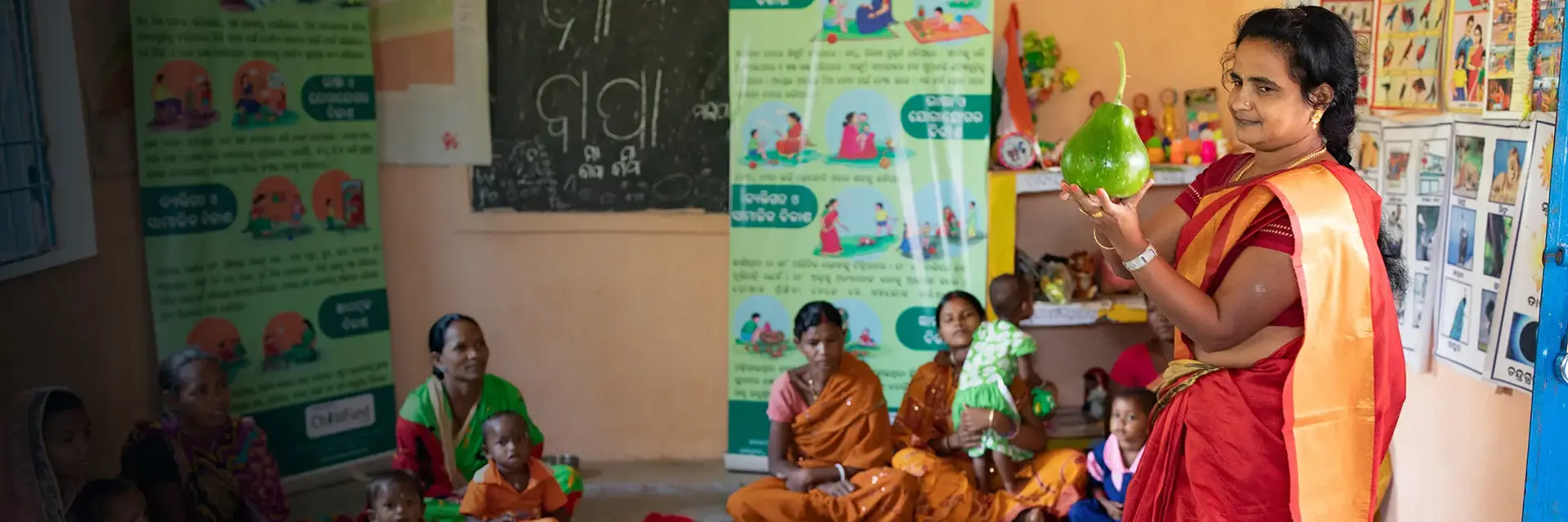
In rural areas of India, the harvest yields of smallholder farming households are often insufficient to feed the family. As a result, many parents are forced to migrate to large cities for periods of time to earn a little money under precarious conditions. Children often have to accompany their parents and take on poorly paid and dangerous work themselves. Consequently, they frequently drop out of school. In the Indian state of Odisha, we are therefore committed to improving the livelihoods, educational opportunities, and employment prospects of smallholder farming households—to help them overcome poverty and protect the rights of affected children.
Background
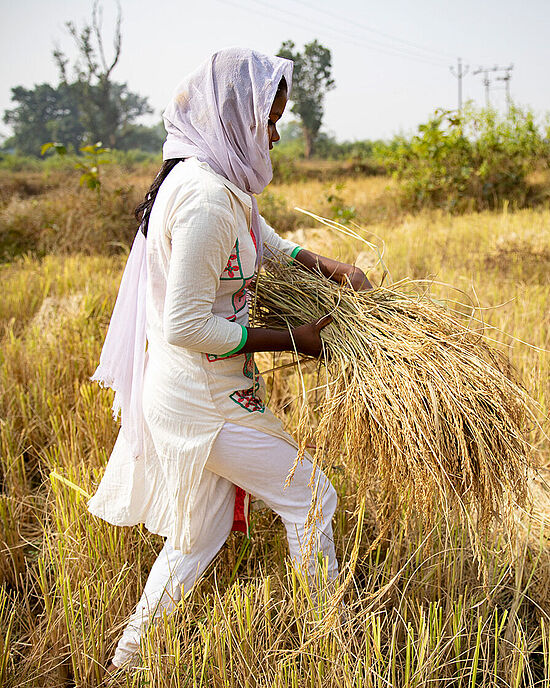
Smallholder farming families in the districts of Kalahandi and Nuapada in the eastern Indian state of Odisha face major challenges: their rice yields are well below the national average, they struggle to sell their harvest, and they have little access to government support programs. Climate change is further exacerbating the situation, as droughts and crop failures occur with increasing frequency. Poverty, food insecurity, and a lack of job opportunities force many of them to migrate every year to the big cities in other states in search of work and a livelihood. There, they do seasonal work, toil on construction sites, or make bricks. In doing so, they often live without adequate food, in makeshift shelters, and without access to basic services. In addition to these inhumane conditions, they earn very little. As a result, they quickly fall into debt.
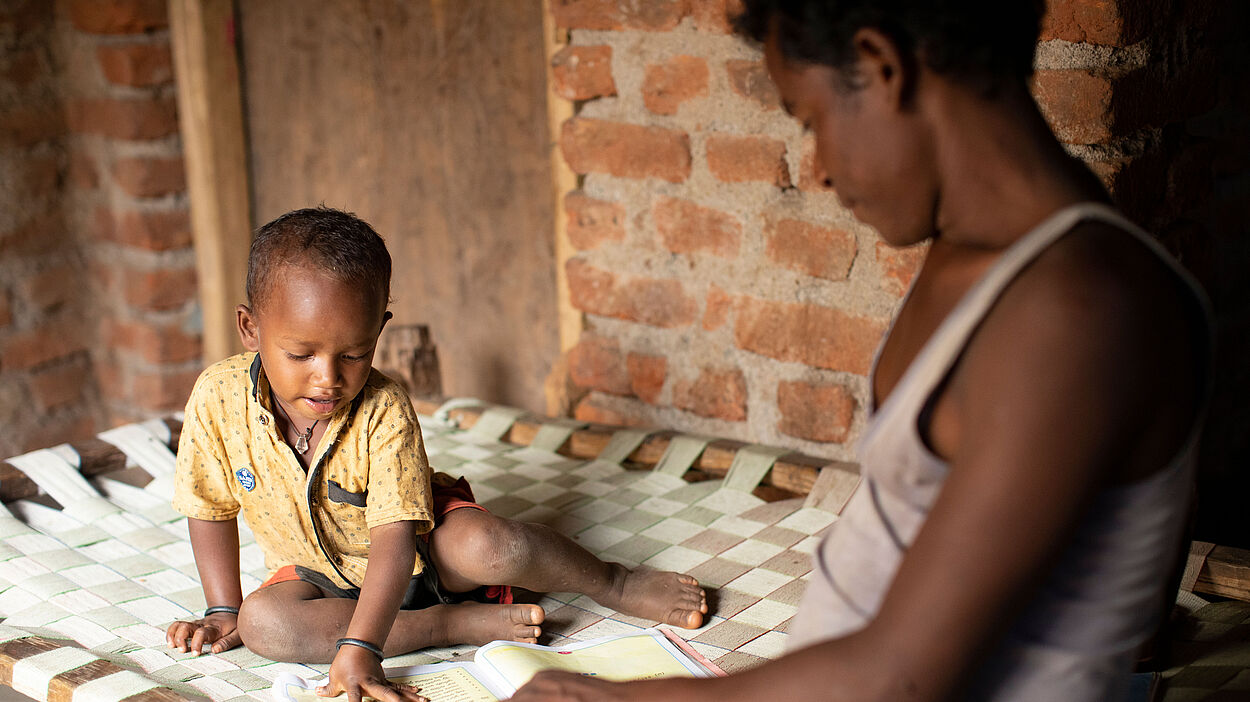
When children accompany their parents on these forced migrations, they often have to take on poorly paid and frequently dangerous work themselves. As a result, they are left defenseless against various forms of exploitation. Attending school is out of the question for children in these places: different languages are spoken than in their home villages, and they can therefore barely communicate.
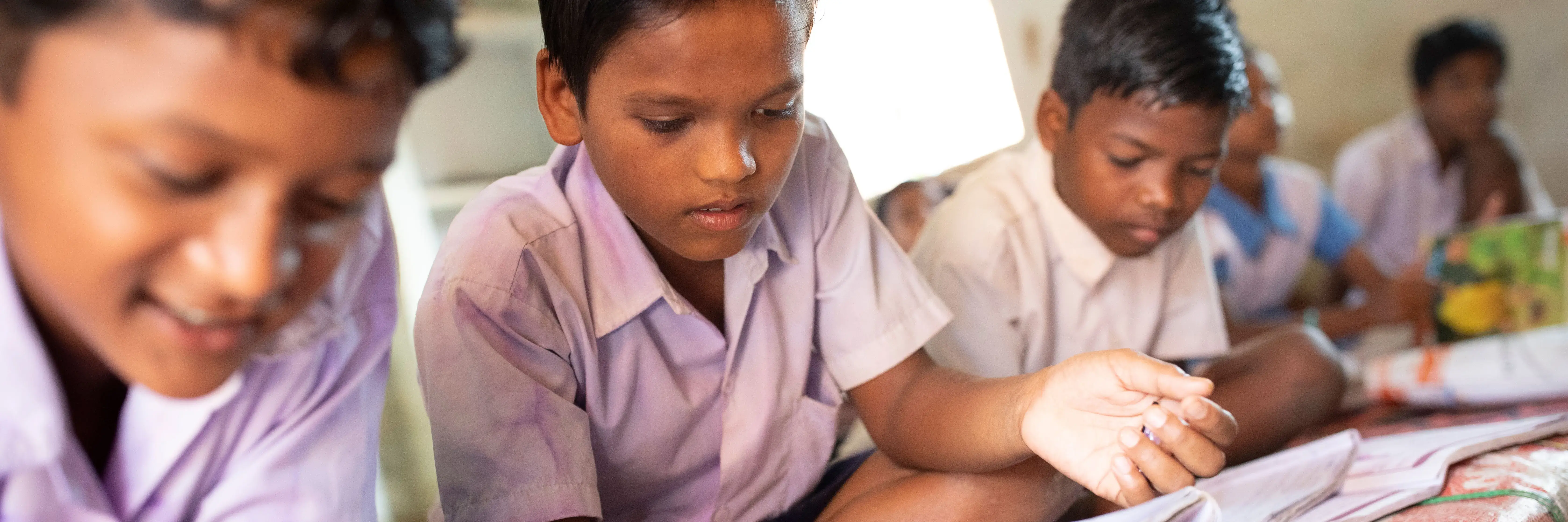
In rural regions of India, awareness of the importance of education is particularly low; the school system is poorly structured and underdeveloped. Even children who remain in the villages while their parents migrate for work often drop out of school. The lack of access to vocational training leaves young people with no prospects for the future. As a result, they are unlikely to succeed in overcoming extreme poverty.

Häufig gefragt
What does ChildFund Deutschland stand for, and what is the goal of its work?
Our goal is to bring about lasting improvements in the future prospects of children in need, their families, and their entire communities. Through our commitment to these children and families, we aim to make a positive difference and create lasting improvements, always guided by the principle of helping people help themselves. This enables them to exercise their rights, overcome poverty and dependency, and lead independent and self-determined lives.
How can I be sure that my donation actually reaches its destination?
The efficient use of the donations entrusted to us is our top priority. To ensure that our aid is used in a highly targeted manner, we rely on close collaboration with local partner organizations in all the countries where we operate, so that our assistance meets the specific needs on the ground. Furthermore, all our support is guided by the principle of helping people help themselves. This ensures that the people in our projects benefit from long-term and lasting changes and, in the long run, no longer depend on aid but can live independently and self-determinedly. Our transparent and responsible handling of donations is also confirmed by the DZI Donation Seal, which we have been awarded continuously since 1995 by the German Central Institute for Social Issues.
How does ChildFund Deutschland work?
Our work is made possible by three sources of funding: sponsorships, other donations, and public funds. Our projects funded by sponsorships are designed for the long term. They are characterized by particularly close collaboration between our partner organizations in the respective project country and the local communities.
The donation-based and publicly funded projects have a shorter duration. Due to the limited timeframe, these projects require more intensive planning and support on our part.
In all projects, ChildFund plays two specific roles: First, raising funds so that the project work can be implemented at all. And second, bringing together and building bridges between those who provide money and expertise and those who lack these resources. The goal is to maximize mutual benefit from the collaboration and to advance our projects in the most effective way possible.
What kinds of projects does ChildFund Deutschland carry out?
Our projects, which are funded through sponsorships, are designed for the long term. They are characterized by particularly close collaboration between our partner organizations in the respective project country and the local communities.
The donation-based and publicly funded projects have a shorter duration. Due to the limited timeframe, these projects require more intensive planning and support on our part.
What regions and issues does ChildFund Deutschland focus on?
We operate in various countries across Asia, Africa, Latin America, and Eastern Europe. Our work focuses primarily on education, nutrition, livelihood support, and child protection, as well as humanitarian aid in emergency situations. Issues such as health and climate protection are also central to many of our projects.
How can I support ChildFund Deutschland?
There are many different ways to support our work. From a one-time donation to a regular donation as a “Future Donor” to becoming a sponsor, you are free to choose the form of support that best suits you. Long-term and particularly sustainable support can also take the form of a foundation or a bequest. We also offer a range of customized support options for businesses and schools.