Ukraine
Emergency aid for children and families affected by war

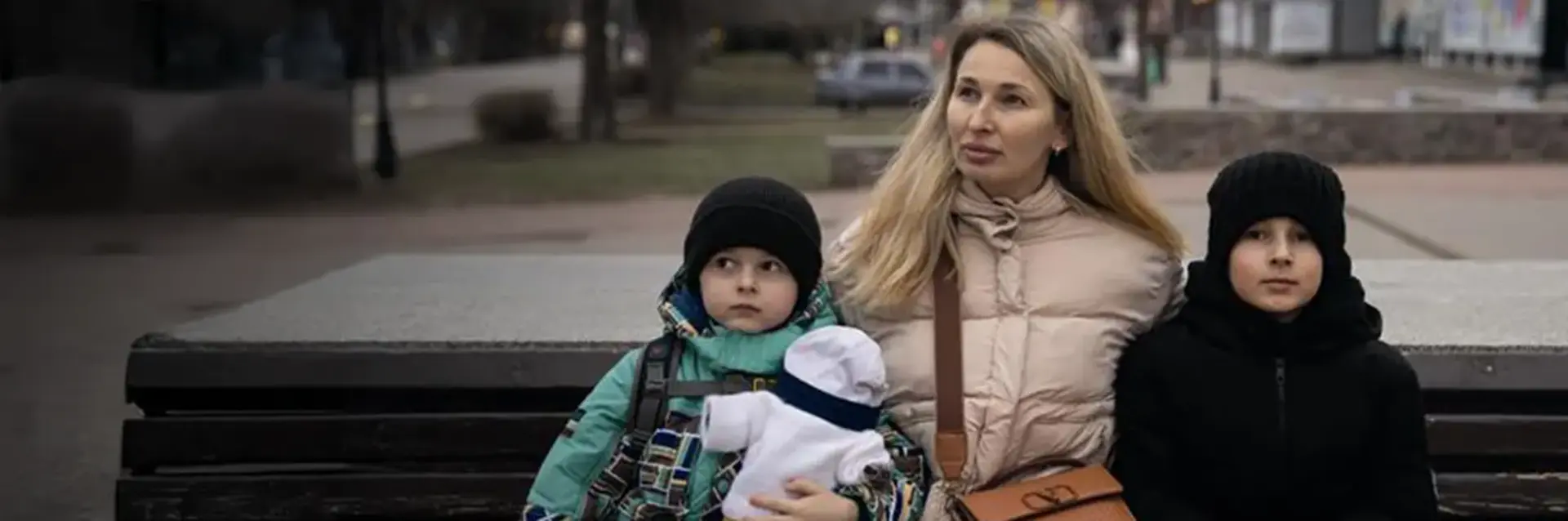
There is a war raging in Ukraine. Since Russia’s full-scale invasion on February 24, 2022, Ukrainian cities and vital infrastructure have been subjected to regular bombing raids. Millions of people have been forced to flee and have lost so much. We are committed to providing immediate support to children and families affected by the war and supplying them with basic necessities.
Background
Since February 24, 2022, images of Russian airstrikes on Ukrainian cities, villages, and vital infrastructure have been circulating around the world. At least 12.7 million people in Ukraine are in need of humanitarian aid and protection. Due to the ongoing heavy airstrikes on residential areas and other civilian spaces, many Ukrainian families are suddenly left with nothing. They are losing not only their homes but also the ability to provide for themselves.
There is no end in sight to the war and violence in Ukraine. The Ukrainian population continues to urgently need support: in rebuilding infrastructure such as gas and water supply systems, in restoring access to healthcare and education, and in providing food, medicine, clothing, and hygiene supplies.
We help affected children and families by providing psychosocial support and basic necessities, supplying warm clothing and blankets during the cold winter months, and ensuring access to schooling.
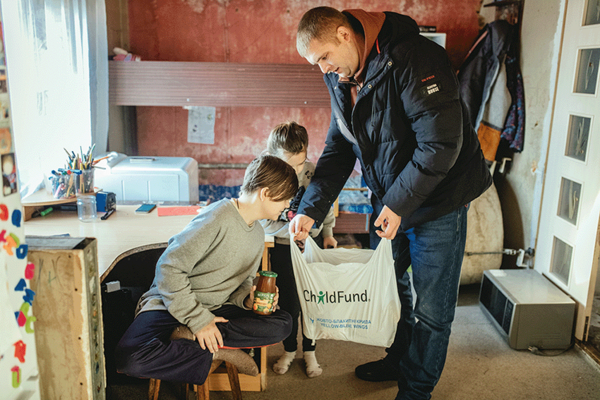


In crisis areas severely affected by bombing and destruction, we provide rapid and efficient assistance. We place a special focus on the most vulnerable members of society: children and adolescents—especially those in facilities for people with disabilities and children’s hospitals—as well as their family members and caregivers. We provide safe shelter and ensure the supply of food, hygiene items, medication, and other basic necessities such as water filters and clothing. We also provide psychosocial first aid.
Psychological Coping with the Consequences of War
The regular air raid sirens, daily tension, death, and destruction leave deep scars on many people in Ukraine. In children in particular, this increasingly triggers developmental and anxiety disorders as well as long-term trauma, which can lead to severe limitations later in life. Through case-by-case psychosocial support, we therefore help affected children process their experiences. Since children’s mental health is closely linked to their family environment, we also provide financial support to parents and caregivers—including foster families and relatives—to create a stable environment for the children. To ensure high-quality and targeted mental health support, we also train case managers and social workers, as well as government and non-governmental social service providers, so they can meet the vast and complex needs for assistance on the ground.
Schooling During War
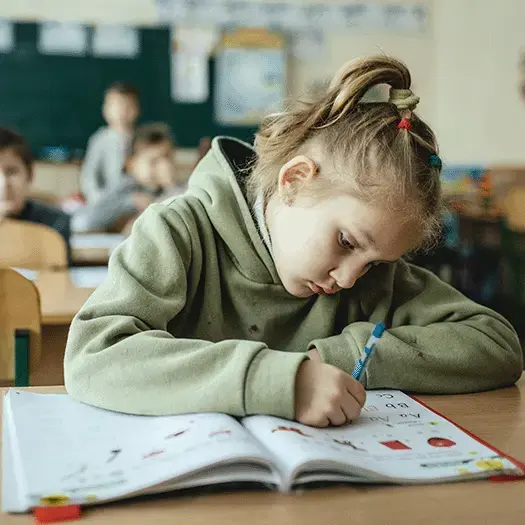
Due to the ongoing war, the daily school life of many children has been severely disrupted. Numerous schools have been damaged or destroyed, making access to education difficult. The quality of instruction is significantly impaired by interruptions caused by air raid alerts. To ensure that Ukrainian children can continue to exercise their right to education, we provide learning resources. We have developed a series of over 100 audio lessons on key core subjects that children can access on six different streaming platforms, allowing them to learn from anywhere. Through a comprehensive catch-up program, we also enable children to flexibly make up for missed lessons. Additionally, we have equipped over 70 schools with kits for their school shelters, which we developed in collaboration with teachers, psychologists, and designers. The boxes are filled with items such as blankets, lanterns, art supplies, anti-stress toys, board games, and other items that help children and teachers stay calm, comfort one another, and reduce stress levels while in the shelter during air raids.
Winter Aid During the Icy Winter Months
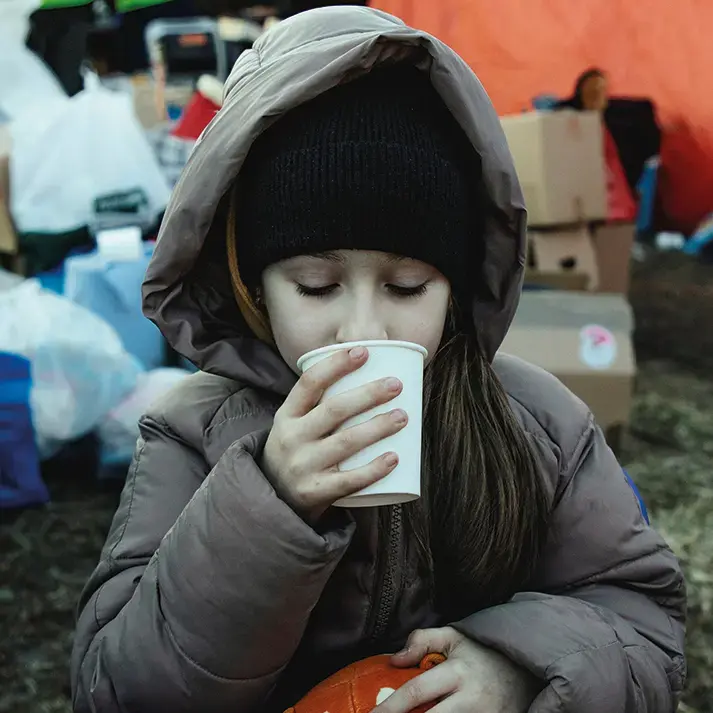
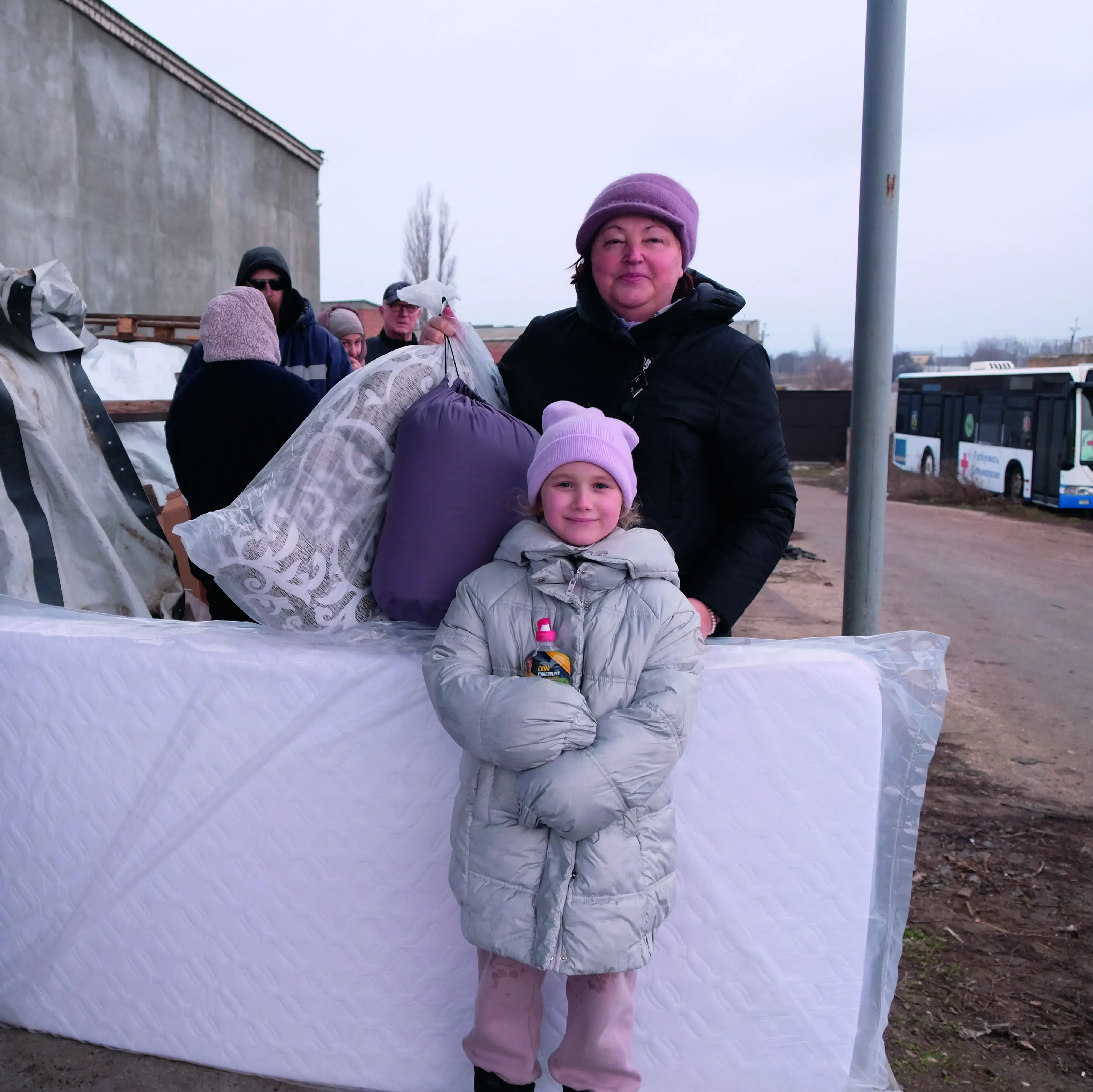
The long, cold winters in Ukraine, with temperatures dropping to -20°C, push those affected by the war—especially children—to their limits. The widespread destruction of infrastructure means that many families lack functioning heating. To help them survive the cold winter months, we support those affected in getting through the freezing winter. We assist schools and shelters by providing heating equipment such as gas stoves, space heaters, and heating units, including fuel supplies. We also distribute warm clothing, blankets, thermal bedding, sleeping bags, and mattresses to Ukrainians to protect them from the cold.
Frequently asked
What is ChildFund Deutschland and what does the organisation do?
ChildFund Deutschland is a child protection organisation whose aim is to bring about lasting improvements in the future prospects of children in need, their families and their wider communities. Through its work, it seeks to make a positive difference to the lives of these children and families and to bring about lasting improvements.
How can I be sure that my donation actually reaches its destination?
The efficient use of the donations entrusted to us is our top priority. To ensure that our aid is used in a highly targeted manner, we rely on close collaboration with local partner organizations in all the countries where we operate, so that our assistance meets the specific needs on the ground. Furthermore, all our support is guided by the principle of helping people help themselves. This ensures that the people in our projects benefit from long-term and lasting changes and, in the long run, no longer depend on aid but can live independently and self-determinedly. Our transparent and responsible handling of donations is also confirmed by the DZI Donation Seal, which we have been awarded continuously since 1995 by the German Central Institute for Social Issues.
How does ChildFund Deutschland work?
Our work is made possible by three sources of funding: sponsorships, other donations, and public funds. Our projects funded by sponsorships are designed for the long term. They are characterized by particularly close collaboration between our partner organizations in the respective project country and the local communities.
The donation-based and publicly funded projects have a shorter duration. Due to the limited timeframe, these projects require more intensive planning and support on our part.
In all projects, ChildFund plays two specific roles: First, raising funds so that the project work can be implemented at all. And second, bringing together and building bridges between those who provide money and expertise and those who lack these resources. The goal is to maximize mutual benefit from the collaboration and to advance our projects in the most effective way possible.
What kinds of projects does ChildFund Deutschland carry out?
Our projects, which are funded through sponsorships, are designed for the long term. They are characterized by particularly close collaboration between our partner organizations in the respective project country and the local communities.
The donation-based and publicly funded projects have a shorter duration. Due to the limited timeframe, these projects require more intensive planning and support on our part.
What regions and issues does ChildFund Deutschland focus on?
We operate in various countries across Asia, Africa, Latin America, and Eastern Europe. Our work focuses primarily on education, nutrition, livelihood support, and child protection, as well as humanitarian aid in emergency situations. Issues such as health and climate protection are also central to many of our projects.
How can I support ChildFund Deutschland?
There are many different ways to support our work. From a one-time donation to a regular donation as a “Future Donor” to becoming a sponsor, you are free to choose the form of support that best suits you. Long-term and particularly sustainable support can also take the form of a foundation or a bequest. We also offer a range of customized support options for businesses and schools.