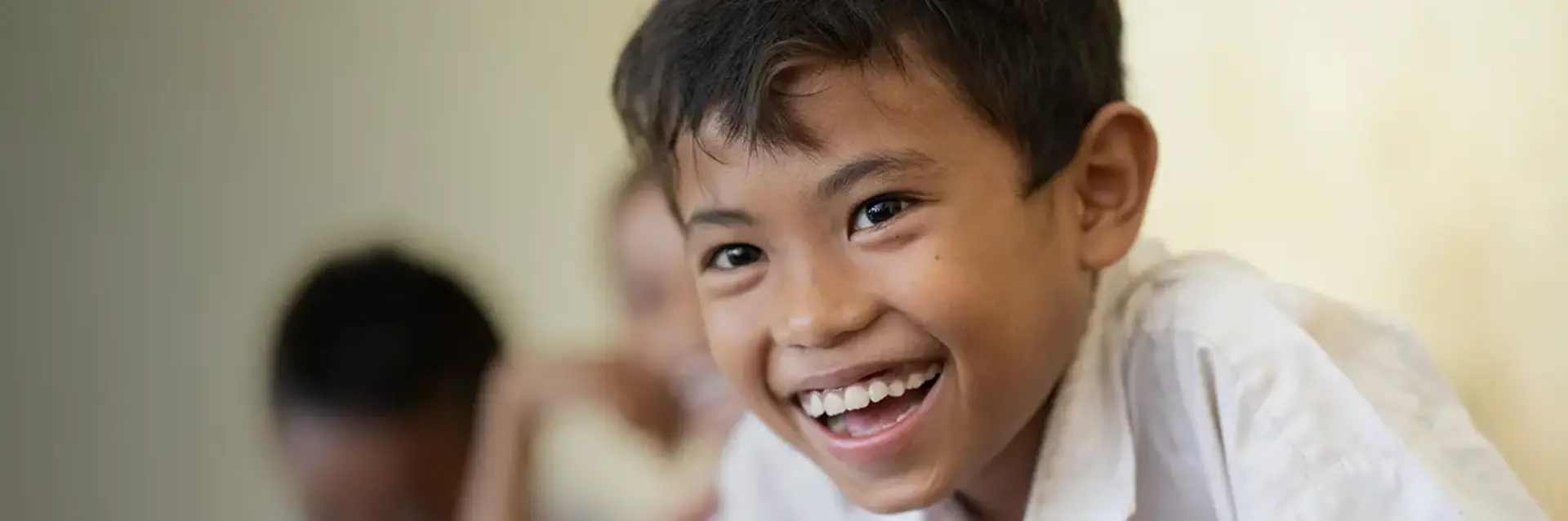
Our commitment to
Asia
Background
Asia is the world’s largest continent, home to approximately 4.3 billion people—nearly two-thirds of the global population. Some 3 billion of them live in India and China alone, with India having been the world’s most populous country since April 2023. The individual countries on the continent differ greatly from one another, not only culturally but also in terms of climate and landscape.
The economy in parts of Asia is booming, yet poverty is also on the rise. While some countries are experiencing dynamic social and economic progress, Asia is also home to the largest number of developing countries. About half of the continent’s total population lives in extreme poverty and must survive on less than $1.90 a day. South Asia is particularly affected.
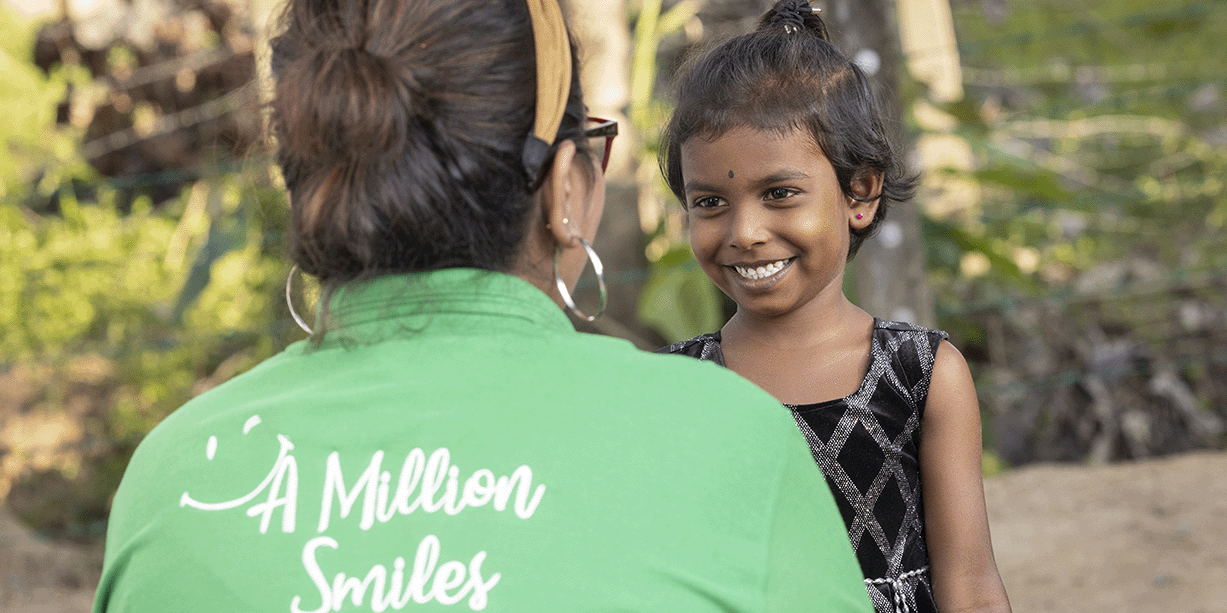
Most countries in Asia are also marked by immense social inequality, which is steadily growing. This is particularly evident in India, where extreme wealth stands in stark contrast to millions of undernourished people who lack access to basic services. At the same time, women and girls are especially affected by severe oppression and violence.
In some Asian countries, armed conflicts, the COVID-19 pandemic, and the growing impacts of climate change have also undermined existing efforts to combat hunger and poverty. This is the case, for example, in Sri Lanka, where the proportion of people living in poverty doubled in 2022 alone.
Driven by climate change and the global demand for raw materials, the struggle for influence and resources is deepening social divisions, which is primarily accompanied by a further deterioration in the living conditions of people already living in poverty.

Through our work in Asian countries, we focus on children and families living in poverty who are in urgent need of our help. That is why, through our projects in these regions, we work every day to bring about lasting improvements in the lives of children and their families and to give them new prospects for the future.
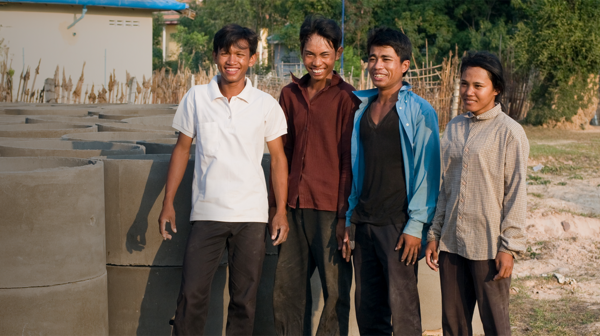

Afghanistan: Emergency Aid for Earthquake Victims
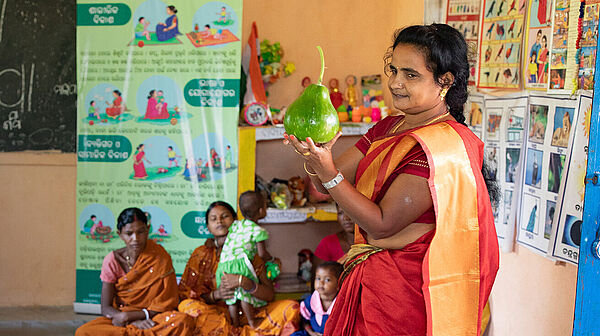
On the night of August 31, an earthquake measuring 6+ on the Richter scale and subsequent aftershocks shook eastern Afghanistan. Thousands of lives were lost, and homes and infrastructure were destroyed. The affected families urgently need food and basic relief supplies such as blankets and clothing. Emergency shelters are also needed for everyone who has lost their homes. In collaboration with our Italian partner organization WeWorld and local Afghan partners on the ground, we have supported those affected through emergency relief efforts in the districts of Nurgul, Chowkai, and Dara-e-Noor by distributing ready-to-eat meals, providing life-saving emergency care, and laying the groundwork for medium-term humanitarian aid.
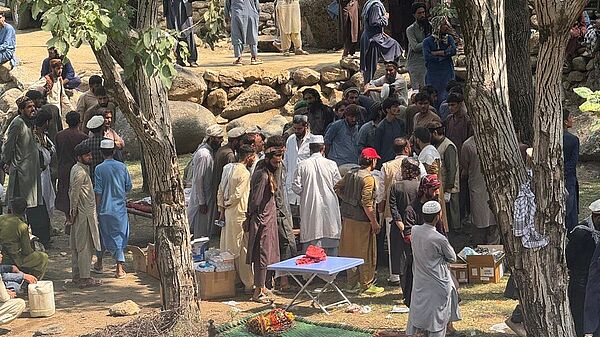
Gaza: Emergency Aid
Images of destroyed cities, thousands of people waiting at aid stations, and grieving families in Gaza have been circulating around the world for two years. Together with our ChildFund Alliance partner WeWorld, which has been active in Gaza for many years with its own offices and staff, we have provided vital emergency aid on the ground to ensure food and water supplies, provide emergency shelter, distribute daily necessities such as blankets, diapers, and clothing, and guarantee hygiene and sanitation services. We also set up temporary learning spaces to give children the opportunity to catch up on years of missed education. In addition to instruction in reading, writing, and arithmetic, targeted remedial classes were offered, and an inclusive, protective, and child-friendly environment was created. This included psychosocial support for the children to strengthen their mental health in the crisis situation and help them better process the horrors they had experienced.
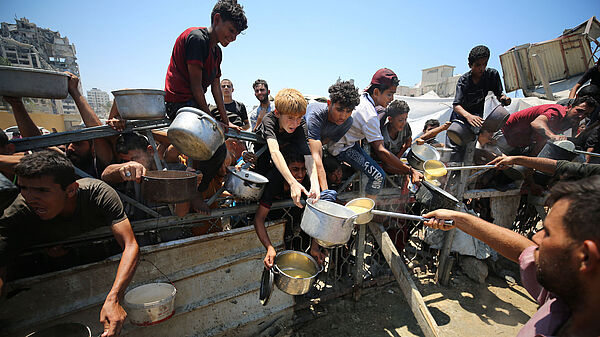
Cambodia: Better Career Opportunities for Young People
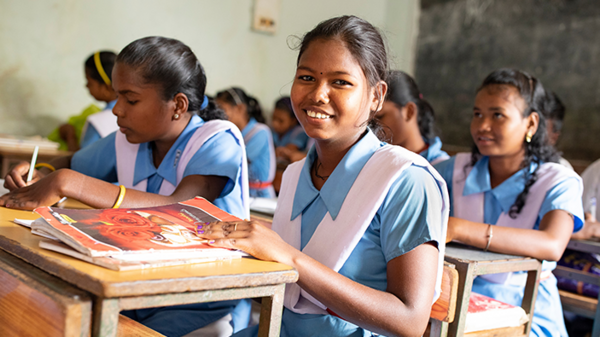
Many children and young people in Cambodia—especially in rural areas—still lack access to education. Rapid population growth and the resulting young demographic structure pose challenges for the country. A lack of educational and career opportunities means that many young people end up in precarious jobs. In our project, we have therefore strongly advocated for improved school infrastructure and educational opportunities, as well as the creation of jobs in Cambodia. Our efforts included providing access to high-quality education, professional development and training for teachers, remedial instruction and catch-up classes, as well as counseling for young people seeking vocational training and dignified employment opportunities.
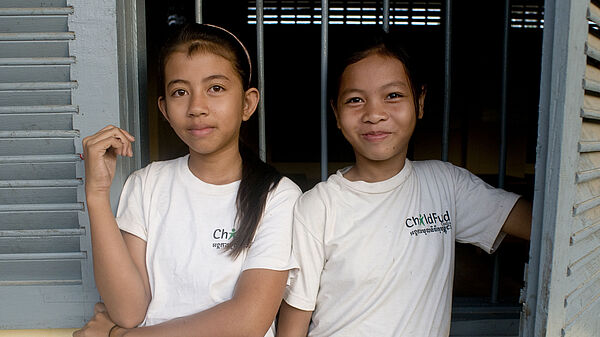
Sri Lanka: Supporting Children and Youth with Disabilities
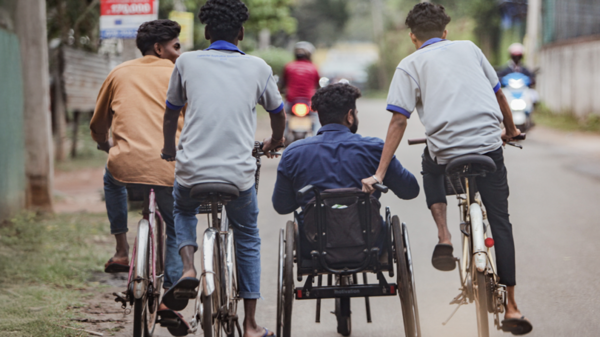
People with intellectual or physical disabilities still face significant stigma in Sri Lanka. As a result, they experience daily discrimination and remain largely excluded from participating in social life. Children and young people are particularly affected and suffer from neglect and a lack of opportunities. We are therefore committed to supporting people with intellectual or physical disabilities in Sri Lanka to enable them to live with dignity and have better prospects for the future.
Learn more
Frequently asked
What is ChildFund Deutschland and what does the organisation do?
ChildFund Deutschland is a child protection organisation whose aim is to bring about lasting improvements in the future prospects of children in need, their families and their wider communities. Through its work, it seeks to make a positive difference to the lives of these children and families and to bring about lasting improvements.
How can I be sure that my donation actually reaches its destination?
The efficient use of the donations entrusted to us is our top priority. To ensure that our aid is used in a highly targeted manner, we rely on close collaboration with local partner organizations in all the countries where we operate, so that our assistance meets the specific needs on the ground. Furthermore, all our support is guided by the principle of helping people help themselves. This ensures that the people in our projects benefit from long-term and lasting changes and, in the long run, no longer depend on aid but can live independently and self-determinedly. Our transparent and responsible handling of donations is also confirmed by the DZI Donation Seal, which we have been awarded continuously since 1995 by the German Central Institute for Social Issues.
How does ChildFund Deutschland work?
Our work is made possible by three sources of funding: sponsorships, other donations, and public funds. Our projects funded by sponsorships are designed for the long term. They are characterized by particularly close collaboration between our partner organizations in the respective project country and the local communities.
The donation-based and publicly funded projects have a shorter duration. Due to the limited timeframe, these projects require more intensive planning and support on our part.
In all projects, ChildFund plays two specific roles: First, raising funds so that the project work can be implemented at all. And second, bringing together and building bridges between those who provide money and expertise and those who lack these resources. The goal is to maximize mutual benefit from the collaboration and to advance our projects in the most effective way possible.
What kinds of projects does ChildFund Deutschland carry out?
Our projects, which are funded through sponsorships, are designed for the long term. They are characterized by particularly close collaboration between our partner organizations in the respective project country and the local communities.
The donation-based and publicly funded projects have a shorter duration. Due to the limited timeframe, these projects require more intensive planning and support on our part.
What regions and issues does ChildFund Deutschland focus on?
We operate in various countries across Asia, Africa, Latin America, and Eastern Europe. Our work focuses primarily on education, nutrition, livelihood support, and child protection, as well as humanitarian aid in emergency situations. Issues such as health and climate protection are also central to many of our projects.
How can I support ChildFund Deutschland?
There are many different ways to support our work. From a one-time donation to a regular donation as a “Future Donor” to becoming a sponsor, you are free to choose the form of support that best suits you. Long-term and particularly sustainable support can also take the form of a foundation or a bequest. We also offer a range of customized support options for businesses and schools.