Our commitment to
Africa
Background
The African continent is the second-largest in the world after Asia. Just under 1.4 billion people live in the 55 countries of the African Union—more than 45% of them are children. Despite its vast wealth of natural resources, including oil, diamonds, gold, and much more, the continent is marked by extreme poverty. This is the result of a combination of various factors that exacerbate one another.
For years, Africa has been experiencing rapid population growth. High birth rates lead to the current projection that the continent’s population will double by the year 2050. The economy cannot keep pace with this rapid growth, particularly given the urgent need to expand education, healthcare, and other essential services.
Another problem is the inadequate social and agricultural infrastructure. In particular, the lack of adequate healthcare has severe consequences for the population—deadly diseases such as malaria, as well as high infant mortality rates, are still widespread in many regions of Africa.
Although Africa contributes very little to climate change compared to other continents, its effects hit African countries particularly hard and further exacerbate poverty. Extreme droughts, a lack of drinking water, barren fields, and destroyed crops lead to severe famines and a loss of income.
In addition, armed conflicts and internal political strife play a decisive role in living conditions, as millions of Africans are forced to flee. Beyond the unstable and often devastated crisis zones, there is also a lack of supply capacities in African host countries and regions.
Despite international efforts, the situation remains precarious and is worsening in many respects. According to the German government, by 2030, 90% of the world’s people considered poor will live on the African continent. Already today, 40% of the population is affected by extreme poverty and must survive on less than $1.90 per day. Women and children are particularly affected.

People in Africa need our support, because breaking free from the cycle of poverty is nearly impossible without help. That is why, through our projects in African countries, we work every day to bring about lasting improvements in the lives of children and their families and to give them new prospects for the future.
Success Stories
We have been active in many countries for years, working closely with our local partner organizations to support children and families. Our videos offer a glimpse into our work and introduce you to people who share very personal insights into their lives and how they have changed for the better.

To watch the video, please accept marketing cookies.
Open cookie settings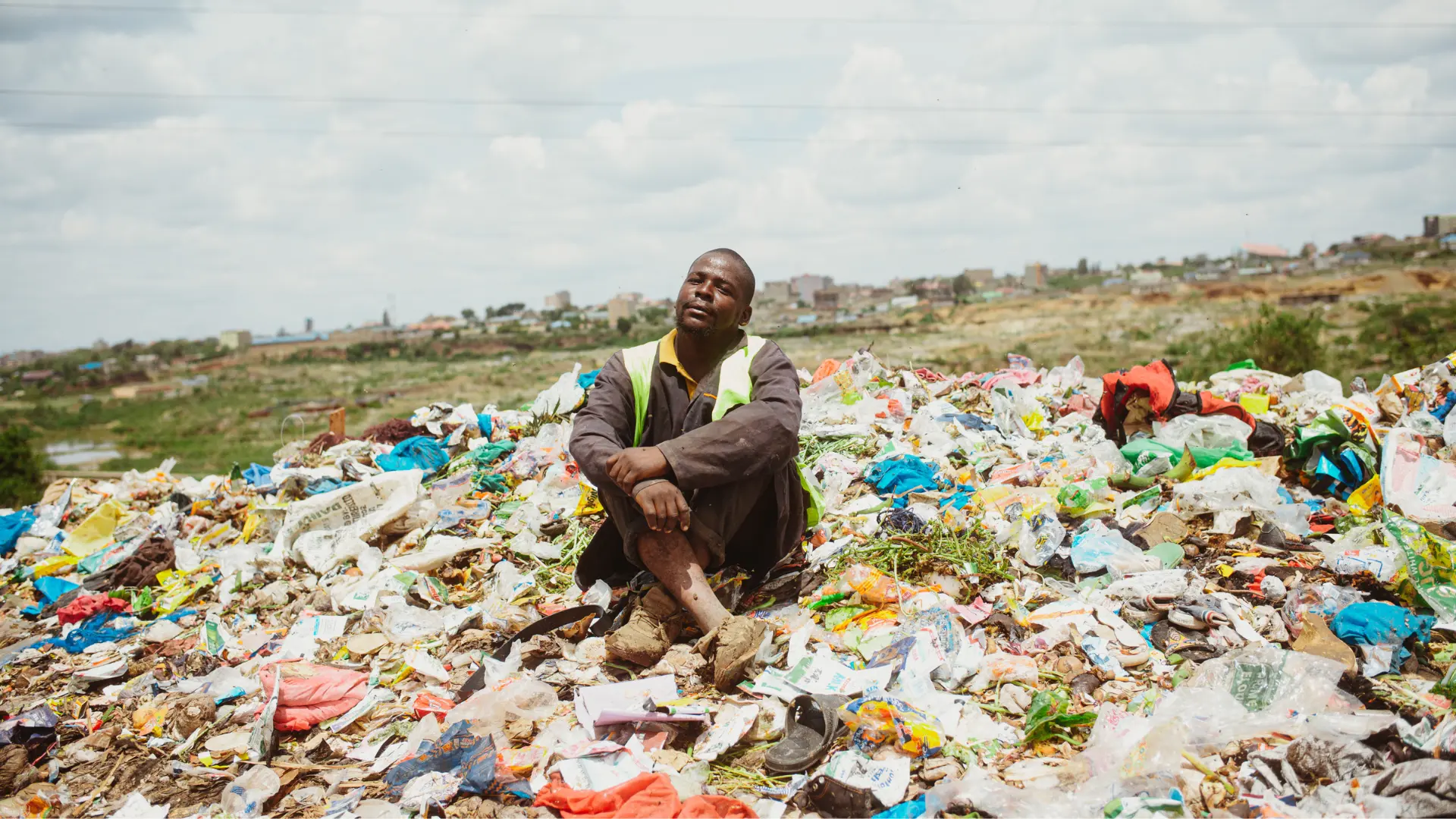
To watch the video, please accept marketing cookies.
Open cookie settings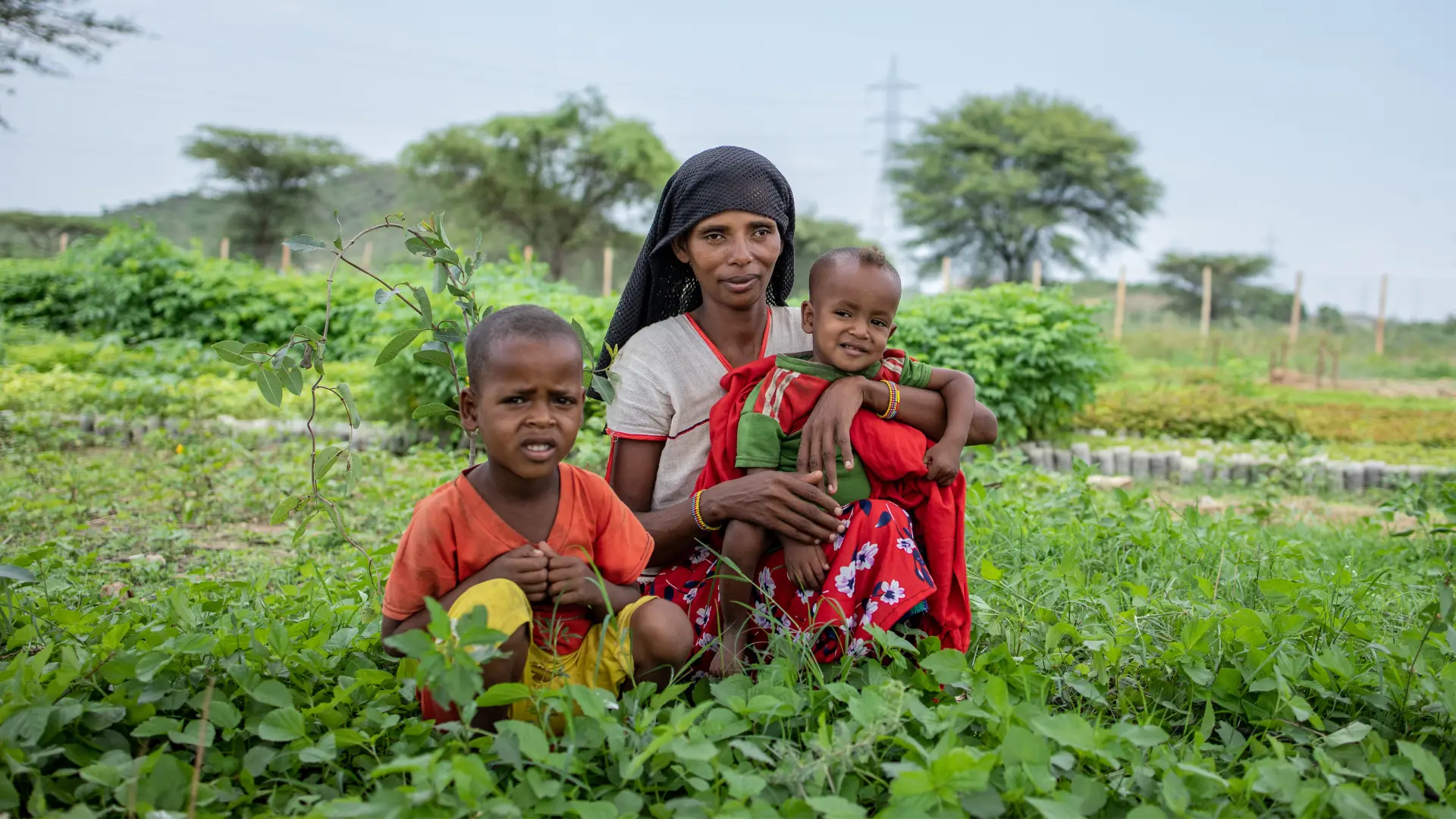
To watch the video, please accept marketing cookies.
Open cookie settings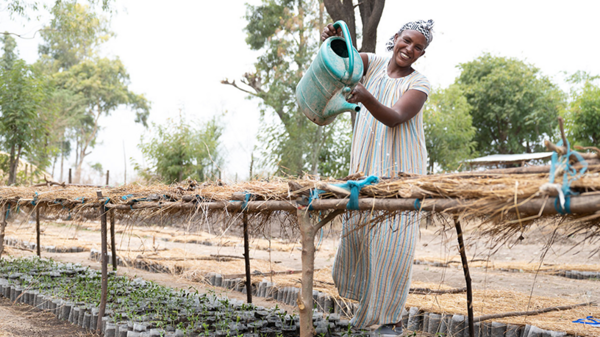

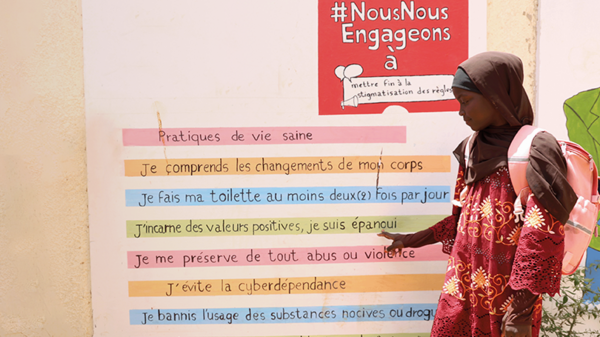

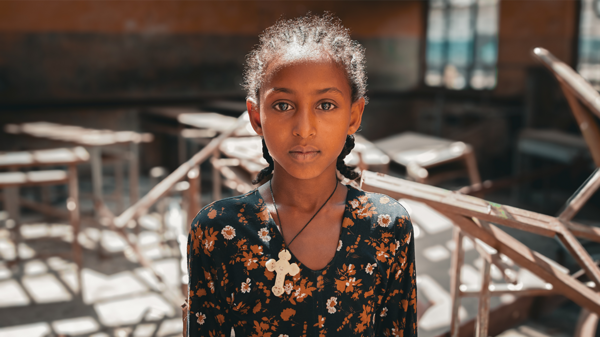
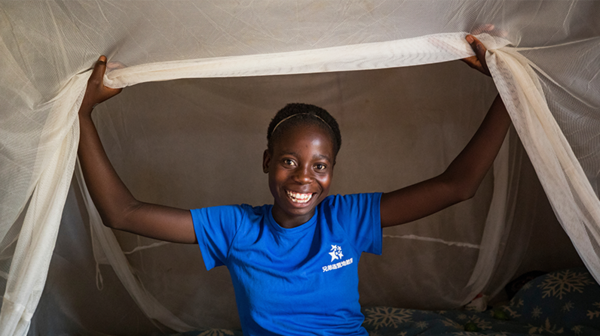
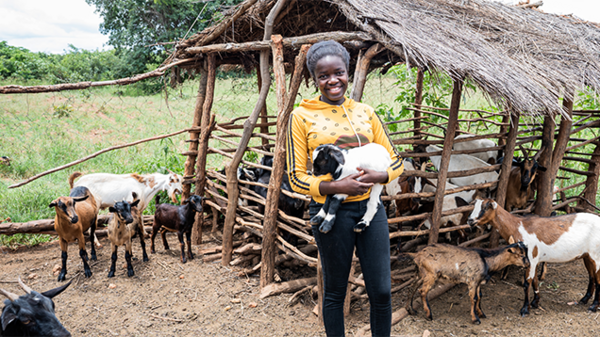
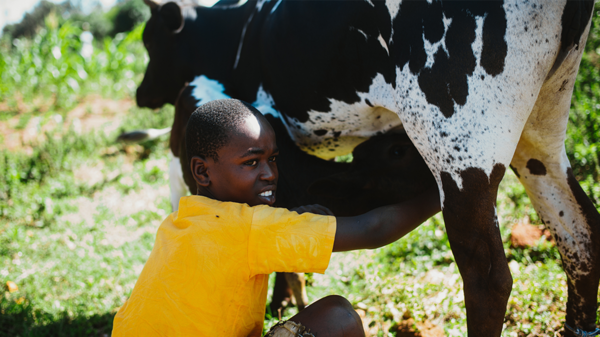
Ethiopia: Water Supply for Disadvantaged Children and Women
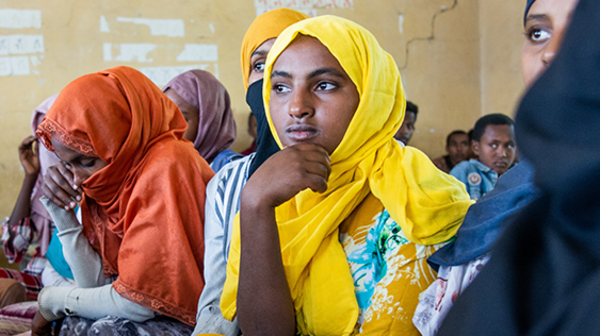
Ethiopia is particularly hard-hit by climate change, as increasing droughts and irregular rainfall threaten the water supply in many regions. The growing water shortage is causing entire regions to face food insecurity. The drought is putting agriculture at risk; crops fail to yield, leaving families without food, drinking water, and income. Households headed by women and their children are particularly hard hit. With the support of the German Postcode Lottery, we are expanding the local water supply.
Learn more

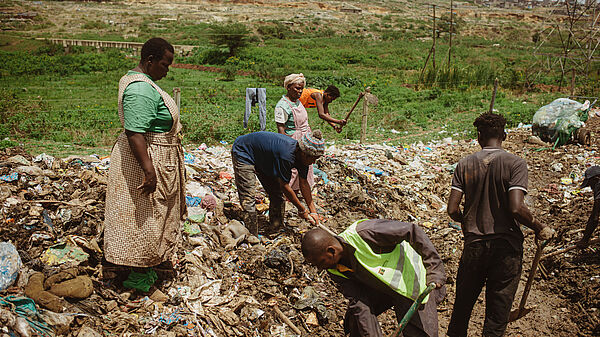
Kenya: Waste Recycling for a Healthier Environment
Large and illegal landfills are not uncommon in Kenya. By introducing a more effective and efficient waste management system and launching a recycling program, it was possible not only to protect the environment but also to improve the economic situation of 35 youth and women’s groups with a total of 700 members in Kasarani, Nairobi. Thanks to targeted training, awareness-raising initiatives, improved coordination of waste collection, sorting, recycling, and disposal, as well as providing the groups with basic equipment and protective gear, not only were exploitative practices minimized, but income was also maximized.
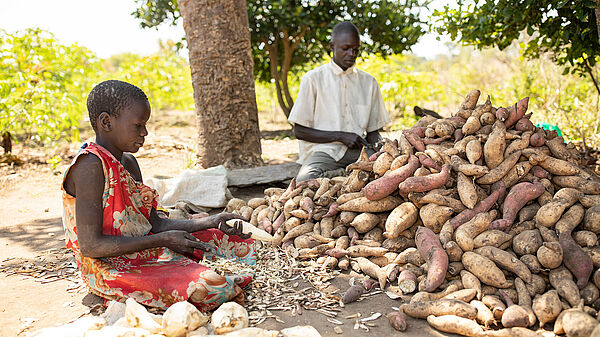
Kenya: Sweet Potatoes – The Orange Gold
Due to severe drought in Kenya, fewer and fewer people have enough to eat. By promoting sweet potato cultivation, we have strengthened the resilience and livelihoods of 3,000 women, 12,000 children, and 2,200 adolescents from vulnerable farming households. Sustainable sweet potato cultivation has improved the nutritional status and economic situation of the target group while simultaneously protecting the environment and the ecosystem. Our efforts included providing guidance on modern farming methods, establishing a central facility for processing sweet potatoes into flour, and offering training on nutritional values and sales at local markets.
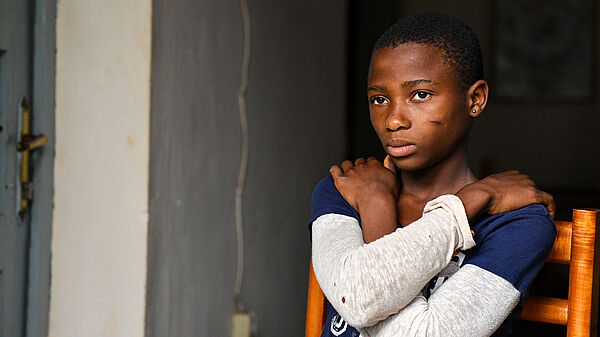
Congo: Hope for "Witch Children"
In the city of Bukavu, more and more children were falling victim to witchcraft beliefs. In the crisis-stricken province of South Kivu, plagued by poverty and violence, false preachers exploited the desperation of the population and fueled witchcraft beliefs to gain money and influence for themselves. Children were particularly affected. For example, they were declared witches because relatives wanted to get rid of them after their parents’ death. Many were abused and left traumatized, confused, and frightened. We have offered these children protection from persecution and exclusion, loving care, access to school, and psychological support. Through awareness campaigns, we have also helped to undermine the phenomenon of “witch children.”
Zambia: Supporting Children from an Early Age
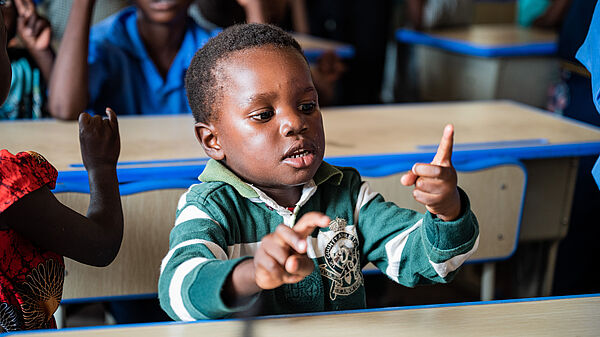
Education is key to improving life for future generations. Through early childhood development programs, we have made a crucial contribution to this effort in Zambia. Our goal was to equip more girls and boys with knowledge, curiosity, and essential skills—and to help create a social environment that protects and supports them. In recent years, we have built 20 new early childhood development centers for this purpose, where over 6,000 children are now being taught.
Uganda: Securing Livelihoods for Smallholder Farmers
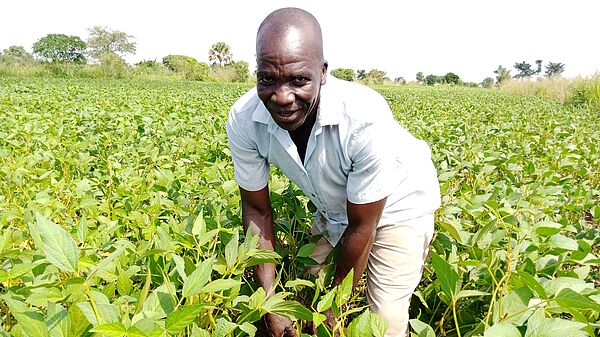
Uganda is one of the poorest countries in the world and faces major socioeconomic challenges. A large portion of the population works as smallholder farmers in subsistence agriculture and, due in part to extremely variable climatic conditions, lacks a sustainable source of income and faces an uncertain livelihood. In the northeast of the country, over the course of four years, we have supported the establishment of sustainable and secure livelihoods through improved agricultural practices, strengthened vocational training for young people and the development of microenterprises, and supported protection against the impacts of natural disasters.
Frequently asked
What does ChildFund Deutschland stand for, and what is the goal of its work?
Our goal is to bring about lasting improvements in the future prospects of children in need, their families, and their entire communities. Through our commitment to these children and families, we aim to make a positive difference and create lasting improvements, always guided by the principle of helping people help themselves. This enables them to exercise their rights, overcome poverty and dependency, and lead independent and self-determined lives.
How can I be sure that my donation actually reaches its destination?
The efficient use of the donations entrusted to us is our top priority. To ensure that our aid is used in a highly targeted manner, we rely on close collaboration with local partner organizations in all the countries where we operate, so that our assistance meets the specific needs on the ground. Furthermore, all our support is guided by the principle of helping people help themselves. This ensures that the people in our projects benefit from long-term and lasting changes and, in the long run, no longer depend on aid but can live independently and self-determinedly. Our transparent and responsible handling of donations is also confirmed by the DZI Donation Seal, which we have been awarded continuously since 1995 by the German Central Institute for Social Issues.
How does ChildFund Deutschland work?
Our work is made possible by three sources of funding: sponsorships, other donations, and public funds. Our projects funded by sponsorships are designed for the long term. They are characterized by particularly close collaboration between our partner organizations in the respective project country and the local communities.
The donation-based and publicly funded projects have a shorter duration. Due to the limited timeframe, these projects require more intensive planning and support on our part.
In all projects, ChildFund plays two specific roles: First, raising funds so that the project work can be implemented at all. And second, bringing together and building bridges between those who provide money and expertise and those who lack these resources. The goal is to maximize mutual benefit from the collaboration and to advance our projects in the most effective way possible.
What kinds of projects does ChildFund Deutschland carry out?
Our projects, which are funded through sponsorships, are designed for the long term. They are characterized by particularly close collaboration between our partner organizations in the respective project country and the local communities.
The donation-based and publicly funded projects have a shorter duration. Due to the limited timeframe, these projects require more intensive planning and support on our part.
What regions and issues does ChildFund Deutschland focus on?
We operate in various countries across Asia, Africa, Latin America, and Eastern Europe. Our work focuses primarily on education, nutrition, livelihood support, and child protection, as well as humanitarian aid in emergency situations. Issues such as health and climate protection are also central to many of our projects.
How can I support ChildFund Deutschland?
There are many different ways to support our work. From a one-time donation to a regular donation as a “Future Donor” to becoming a sponsor, you are free to choose the form of support that best suits you. Long-term and particularly sustainable support can also take the form of a foundation or a bequest. We also offer a range of customized support options for businesses and schools.