Our commitment to
Child Protection

Background
Providing children with a safe and supportive environment is essential for their development. Protecting children means safeguarding their well-being and shielding them from neglect and abuse. But it also means offering them opportunities for growth. For this reason, the United Nations adopted the Convention on the Rights of the Child in 1989—an agreement aimed at protecting and realizing children’s rights. Among other things, children have the right to life and development, the right to education, the right to health, and the right to protection from violence, exploitation, and abuse.
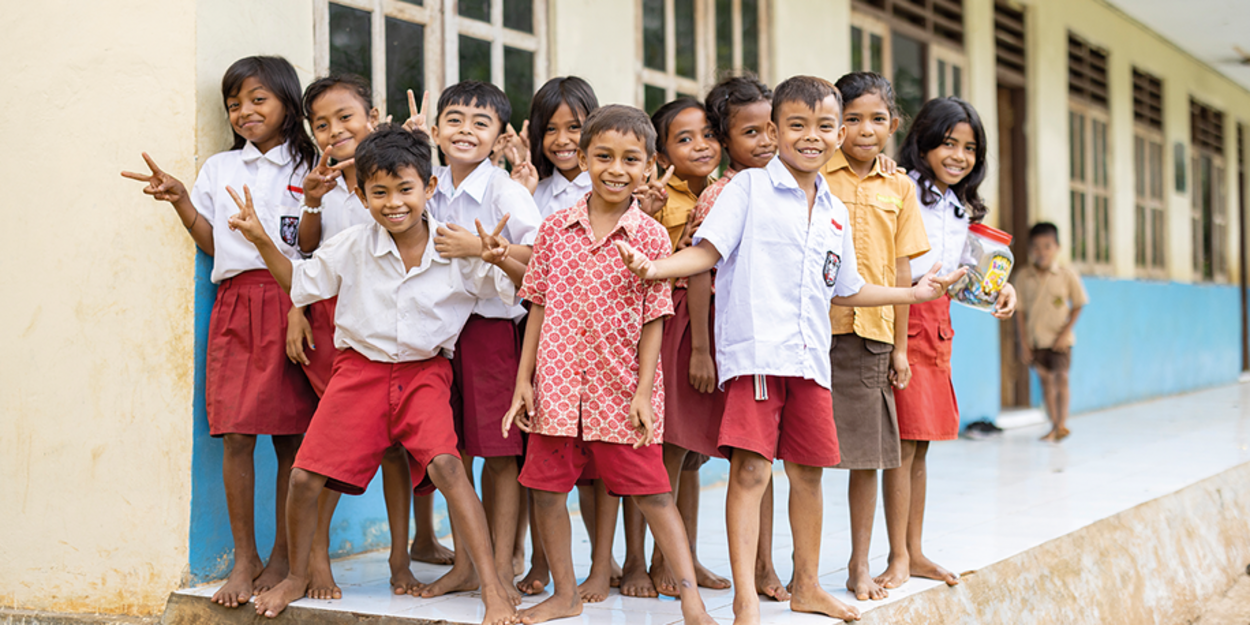
Child protection means putting these children’s rights into practice and protecting children from dangers such as violence or neglect. This ensures that they can grow up safely, have a loving environment, receive support, develop freely, and realize their potential. The importance of child protection has been recognized by 195 countries worldwide through the ratification of the Convention on the Rights of the Child. Nevertheless, millions of children around the world are able to exercise their rights only to a limited extent, if at all.
We are therefore committed to ensuring that children and adolescents grow up in a safe environment, receive individualized support, and are protected from abuse. Girls and children with disabilities, in particular, often do not have the same opportunities and prospects—they are therefore a special focus of our work.


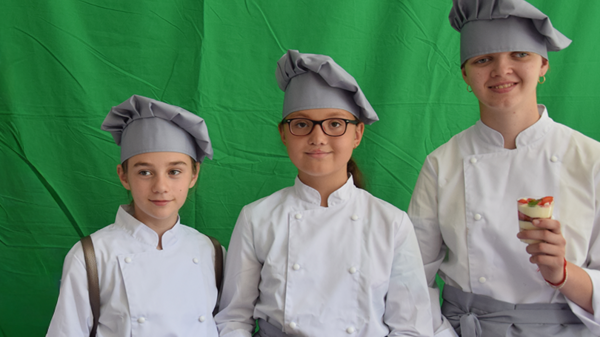
Georgia: Social Entrepreneurship for a Competitive Youth
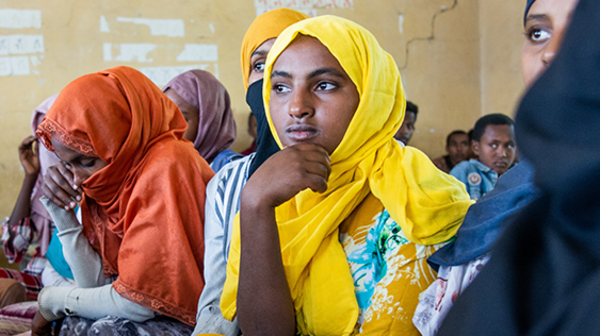
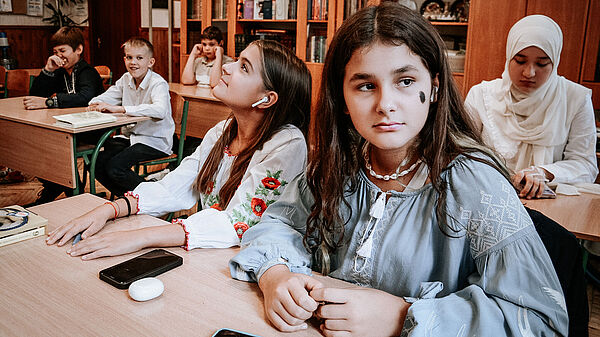
One-third of all young people in Georgia are unemployed—a figure that continues to rise due to the gap between the skills taught in schools and the demands of the labor market. Vocational schools offer insufficient opportunities for practical experience, and young people are not adequately taught the modern and necessary qualifications such as entrepreneurial, communication, and social skills. The educational approach of so-called “student-run social enterprises” can improve this situation, strengthen education at vocational schools, and provide targeted support to young people as they enter the workforce.
Read more
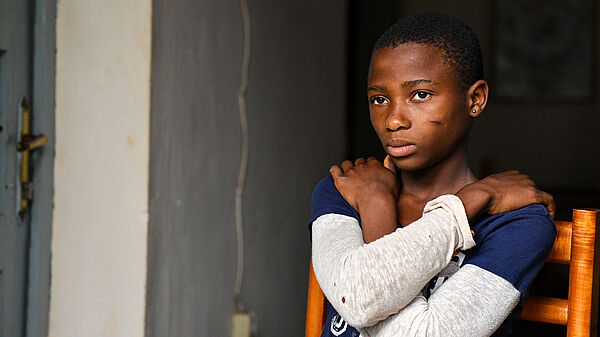
Congo: Hope for "Witch Children"
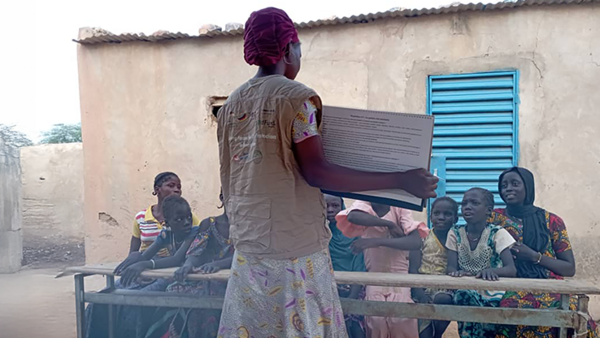
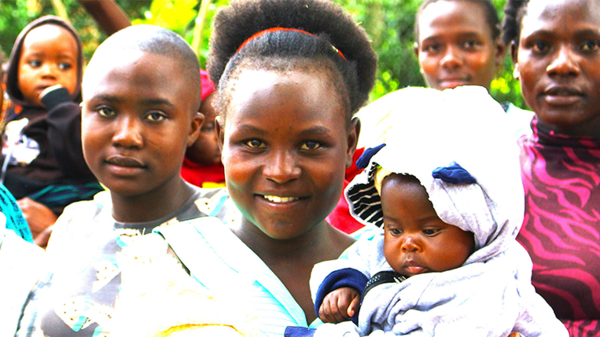
In the city of Bukavu, more and more children were falling victim to witchcraft beliefs. In the crisis-stricken province of South Kivu, plagued by poverty and violence, false preachers exploited the desperation of the population and fueled witchcraft beliefs to gain money and influence for themselves. Children were particularly affected. For example, they were declared witches because relatives wanted to get rid of them after their parents’ death. Many were abused and left traumatized, confused, and frightened. We have offered these children protection from persecution and exclusion, loving care, access to school, and psychological support. Through awareness campaigns, we have also helped to undermine the phenomenon of “witch children.”
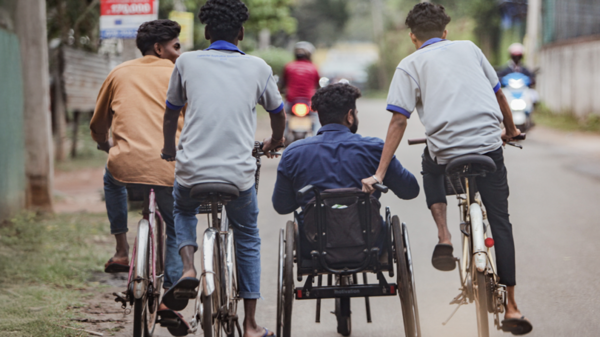
Sri Lanka: Supporting Children and Youth with Disabilities
People with intellectual or physical disabilities still face significant stigma in Sri Lanka. As a result, they experience daily discrimination and remain largely excluded from participating in social life. Children and young people are particularly affected and suffer from neglect and a lack of opportunities. We are therefore committed to supporting people with intellectual or physical disabilities in Sri Lanka to enable them to live with dignity and have better prospects for the future.
Learn more
Frequently asked
What is ChildFund Deutschland and what does the organisation do?
ChildFund Deutschland is a child protection organisation whose aim is to bring about lasting improvements in the future prospects of children in need, their families and their wider communities. Through its work, it seeks to make a positive difference to the lives of these children and families and to bring about lasting improvements.
How can I be sure that my donation actually reaches its destination?
The efficient use of the donations entrusted to us is our top priority. To ensure that our aid is used in a highly targeted manner, we rely on close collaboration with local partner organizations in all the countries where we operate, so that our assistance meets the specific needs on the ground. Furthermore, all our support is guided by the principle of helping people help themselves. This ensures that the people in our projects benefit from long-term and lasting changes and, in the long run, no longer depend on aid but can live independently and self-determinedly. Our transparent and responsible handling of donations is also confirmed by the DZI Donation Seal, which we have been awarded continuously since 1995 by the German Central Institute for Social Issues.
How does ChildFund Deutschland work?
Our work is made possible by three sources of funding: sponsorships, other donations, and public funds. Our projects funded by sponsorships are designed for the long term. They are characterized by particularly close collaboration between our partner organizations in the respective project country and the local communities.
The donation-based and publicly funded projects have a shorter duration. Due to the limited timeframe, these projects require more intensive planning and support on our part.
In all projects, ChildFund plays two specific roles: First, raising funds so that the project work can be implemented at all. And second, bringing together and building bridges between those who provide money and expertise and those who lack these resources. The goal is to maximize mutual benefit from the collaboration and to advance our projects in the most effective way possible.
What kinds of projects does ChildFund Deutschland carry out?
Our projects, which are funded through sponsorships, are designed for the long term. They are characterized by particularly close collaboration between our partner organizations in the respective project country and the local communities.
The donation-based and publicly funded projects have a shorter duration. Due to the limited timeframe, these projects require more intensive planning and support on our part.
What regions and issues does ChildFund Deutschland focus on?
We operate in various countries across Asia, Africa, Latin America, and Eastern Europe. Our work focuses primarily on education, nutrition, livelihood support, and child protection, as well as humanitarian aid in emergency situations. Issues such as health and climate protection are also central to many of our projects.
How can I support ChildFund Deutschland?
There are many different ways to support our work. From a one-time donation to a regular donation as a “Future Donor” to becoming a sponsor, you are free to choose the form of support that best suits you. Long-term and particularly sustainable support can also take the form of a foundation or a bequest. We also offer a range of customized support options for businesses and schools.