Our commitment to
Eastern Europe
Background
The Eastern Partnership (EaP) is a European Union initiative launched in 2009 that supports six former Soviet states—Armenia, Azerbaijan, Belarus, Georgia, the Republic of Moldova, and Ukraine—although Belarus’s participation in the program has been suspended since June 2021.
These countries face complex challenges. The Eastern Partnership therefore promotes the implementation of comprehensive reforms, including in the areas of democracy and the rule of law, as well as human rights and sustainable development. The goal is to strengthen political and social stability and improve living conditions in our EU neighboring countries.
Poverty remains a significant problem in these countries, particularly affecting rural areas, marginalized groups, and children. Following the collapse of the so-called Eastern Bloc in the 1990s, many countries experienced difficult economic conditions that led to rising unemployment and social inequality. Although some countries in Eastern Europe, such as Poland and the Czech Republic, have made economic progress in recent decades, others, such as Ukraine and the Republic of Moldova, continue to struggle with high unemployment and poverty rates even today.
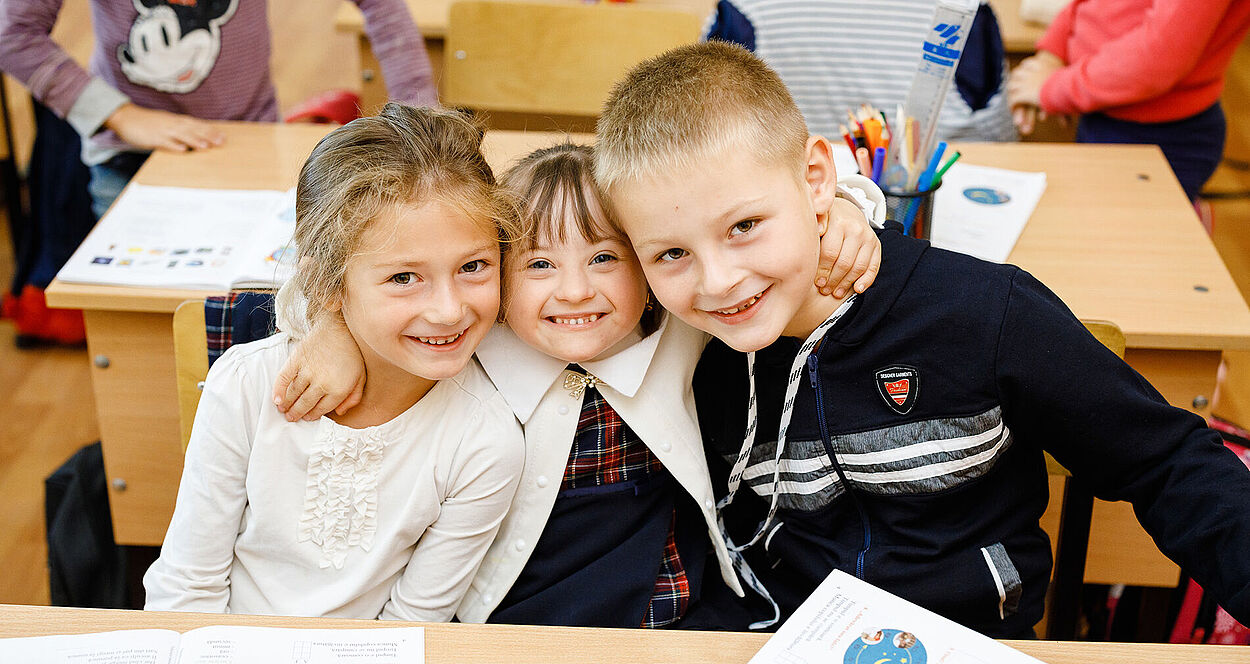
The main causes of the current situation are weak economic structures, corruption, and inadequate social systems. Many people have only limited access to quality education and healthcare, which makes it harder to escape poverty and exacerbates social tensions.
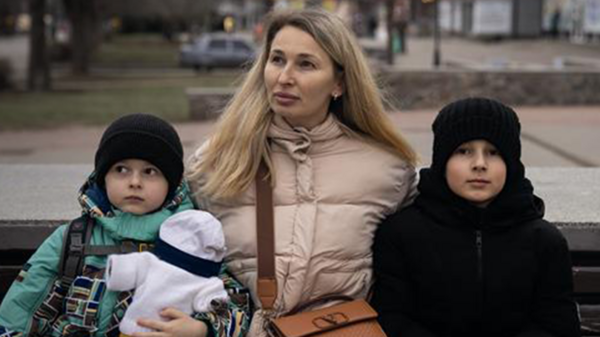
Since the start of Russia’s war of aggression against Ukraine in 2014 and its escalation through the full-scale invasion in February 2022, the situation in Ukraine—and, due to refugee flows and economic disruptions, in neighboring countries as well—has deteriorated significantly.

Through our work in the Eastern Partnership, we focus on structurally disadvantaged countries and regions, as well as children and families living in poverty who urgently need our help. That is why, through our projects on the ground, we work every day to improve the living conditions of children and their families in a sustainable way and to give them new prospects for the future.
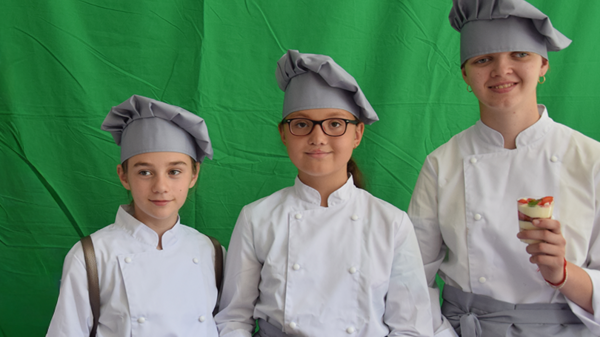
Georgia: Social Entrepreneurship for a Competitive Youth
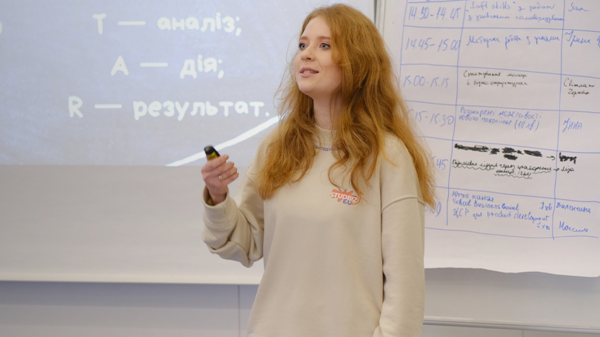
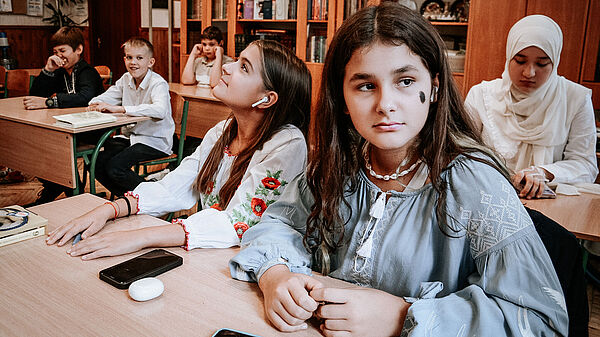
One-third of all young people in Georgia are unemployed—a figure that continues to rise due to the gap between the skills taught in schools and the demands of the labor market. Vocational schools offer insufficient opportunities for practical experience, and young people are not adequately taught the modern and necessary qualifications such as entrepreneurial, communication, and social skills. The educational approach of so-called “student-run social enterprises” can improve this situation, strengthen education at vocational schools, and provide targeted support to young people as they enter the workforce.
Read more
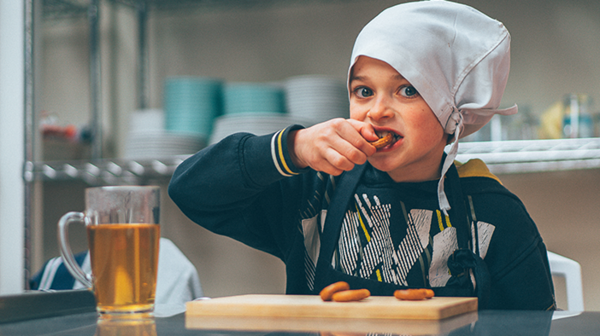
Moldova: Food Security for Moldovan Schoolchildren
Moldova is a small agricultural country where farmers often struggle with market access issues and a lack of investment. At the same time, schoolchildren are particularly affected by poverty and the resulting poor nutrition. Our work aims to address these challenges by promoting sustainable agricultural practices and introducing the topic of healthy nutrition in schools.
Learn more
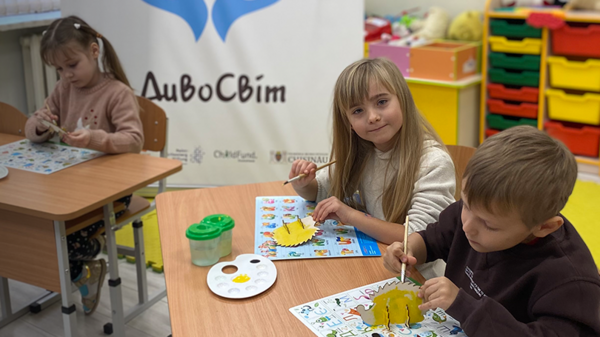
Moldova: Daycare Center for Ukrainian Children
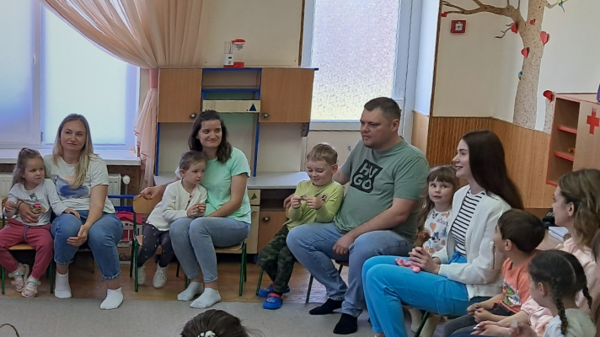
In Chişinău, in collaboration with the Baden-Württemberg Foundation and our local partner, the National Congress of Ukrainians of Moldova (NCUM), we supported the establishment and expansion of a daycare center for Ukrainian children who have experienced displacement. At the “Dyvosvit” daycare center, children receive educational and psychosocial support to help them process war-related trauma and promote their integration into Moldovan society. At the same time, parents are supported in their integration into the labor market to help them get started in their new lives.
Learn more
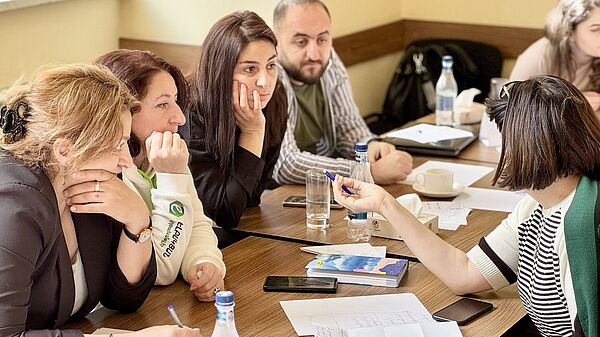
Ukraine: Improving Cancer Screening Through Continuing Education
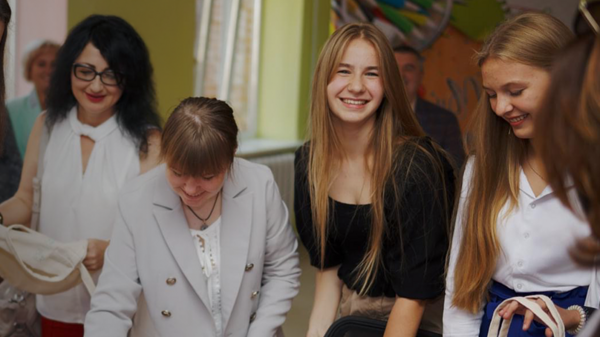
When stressful crisis situations become part of everyday life, it leads to an increase in chronic diseases. This is also the case in Ukraine, where the number of cancer cases has been rising for years. Young women are particularly affected. In the Volyn region, in western Ukraine, we are working to enable early cancer diagnosis in rural areas as well—and thus save lives—through training, mobile screenings, and public education.
Learn more
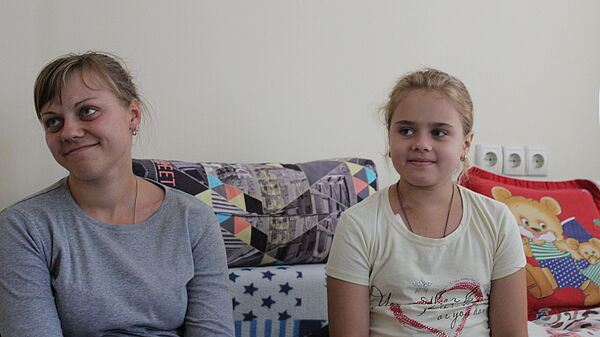
Ukraine: Rehabilitation Center for Children with Disabilities
The lack of comprehensive support programs for families with children who have special educational needs in Ukraine means that there is no individualized support or assistance available for their care. To improve the precarious situation regarding counseling and rehabilitation services, we supported the establishment of a rehabilitation center in the Odessa Oblast (Ismail region) in southern Ukraine.

Frequently asked
What is ChildFund Deutschland and what does the organisation do?
ChildFund Deutschland is a child protection organisation whose aim is to bring about lasting improvements in the future prospects of children in need, their families and their wider communities. Through its work, it seeks to make a positive difference to the lives of these children and families and to bring about lasting improvements.
How can I be sure that my donation actually reaches its destination?
The efficient use of the donations entrusted to us is our top priority. To ensure that our aid is used in a highly targeted manner, we rely on close collaboration with local partner organizations in all the countries where we operate, so that our assistance meets the specific needs on the ground. Furthermore, all our support is guided by the principle of helping people help themselves. This ensures that the people in our projects benefit from long-term and lasting changes and, in the long run, no longer depend on aid but can live independently and self-determinedly. Our transparent and responsible handling of donations is also confirmed by the DZI Donation Seal, which we have been awarded continuously since 1995 by the German Central Institute for Social Issues.
How does ChildFund Deutschland work?
Our work is made possible by three sources of funding: sponsorships, other donations, and public funds. Our projects funded by sponsorships are designed for the long term. They are characterized by particularly close collaboration between our partner organizations in the respective project country and the local communities.
The donation-based and publicly funded projects have a shorter duration. Due to the limited timeframe, these projects require more intensive planning and support on our part.
In all projects, ChildFund plays two specific roles: First, raising funds so that the project work can be implemented at all. And second, bringing together and building bridges between those who provide money and expertise and those who lack these resources. The goal is to maximize mutual benefit from the collaboration and to advance our projects in the most effective way possible.
What kinds of projects does ChildFund Deutschland carry out?
Our projects, which are funded through sponsorships, are designed for the long term. They are characterized by particularly close collaboration between our partner organizations in the respective project country and the local communities.
The donation-based and publicly funded projects have a shorter duration. Due to the limited timeframe, these projects require more intensive planning and support on our part.
What regions and issues does ChildFund Deutschland focus on?
We operate in various countries across Asia, Africa, Latin America, and Eastern Europe. Our work focuses primarily on education, nutrition, livelihood support, and child protection, as well as humanitarian aid in emergency situations. Issues such as health and climate protection are also central to many of our projects.
How can I support ChildFund Deutschland?
There are many different ways to support our work. From a one-time donation to a regular donation as a “Future Donor” to becoming a sponsor, you are free to choose the form of support that best suits you. Long-term and particularly sustainable support can also take the form of a foundation or a bequest. We also offer a range of customized support options for businesses and schools.