Our commitment to
Nutrition

Background
The right to adequate food and protection from hunger and malnutrition is a human right. The consequences of inadequate nutrition are devastating—they hinder human development, weaken the immune system, and reduce the chances of a healthy, long life. Children are particularly affected by these consequences.
Although ending global hunger and achieving food security are central components of the internationally agreed 2030 Agenda for Sustainable Development, more than 750 million people will still be suffering from hunger in 2024. In fact, more than 2 billion people worldwide are affected by moderate to severe food insecurity.
The causes of the global food crisis are diverse and mutually reinforcing. One of the main causes of hunger is poverty. People living in poverty are particularly likely to have no or only very limited access to sufficient food. Consequences such as malnutrition and undernourishment, as well as diet-related diseases, in turn make it difficult to escape the cycle of poverty.
Climate change is also a key driver of global food insecurity. Extreme weather events such as droughts, floods, and storms have serious consequences for agricultural production. Especially in poorer countries that are heavily dependent on agriculture, these natural disasters result in destroyed farmland and crops, a lack of food sources, and rising food prices.
Armed conflicts and political instability also exacerbate the situation. In war-torn and crisis-stricken regions, access to food is often severely restricted. Conflicts destroy agricultural infrastructure and supply chains, while the affected population is frequently forced to flee. In refugee camps or emergency shelters, food supplies are often inadequate.
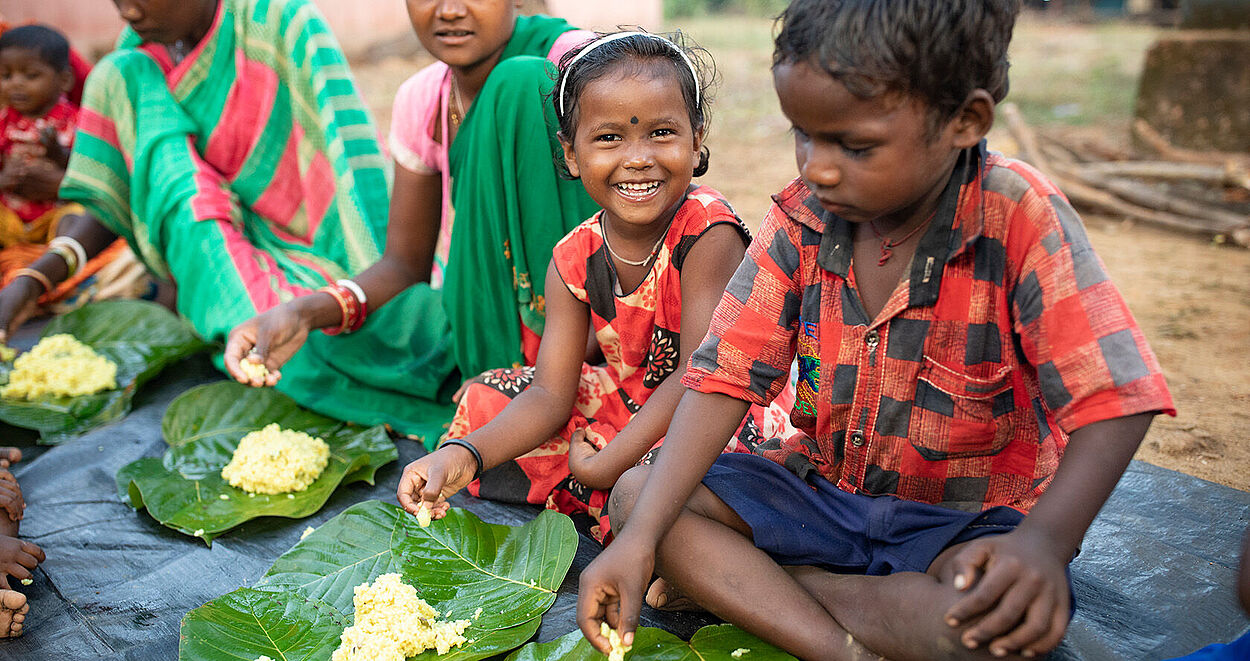
Everyone worldwide needs adequate access to food. In over 30 countries, we are therefore committed to ensuring food security for children, families, and their communities. Through targeted food security programs, we promote sustainable agriculture, the cultivation of nutritious foods, and self-sufficiency. Nutrition education is also an important part of our work.


Ethiopia: Water Supply for Disadvantaged Children and Women
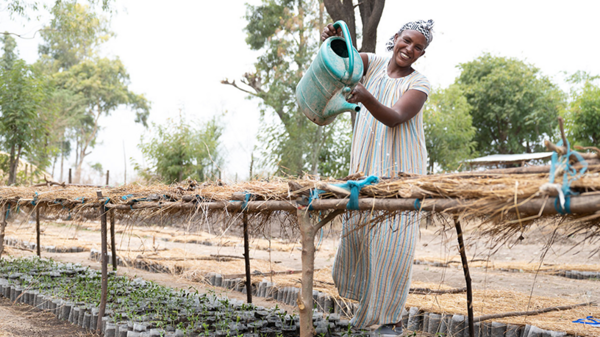
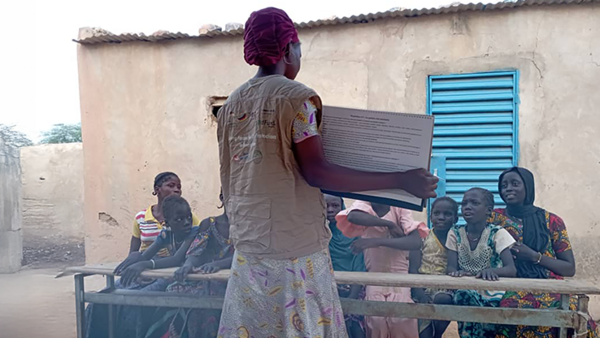
Ethiopia is particularly hard hit by climate change, as increasing droughts and irregular rainfall threaten the water supply in many regions. The growing water shortage is causing entire regions to face food insecurity. The drought is putting agriculture at risk; crops fail to yield, leaving families without food, drinking water, and income. Households headed by women and their children are particularly hard hit. With the support of the German Postcode Lottery, we are expanding the local water supply.
Learn more

Kenya: Sweet Potatoes – The Orange Gold
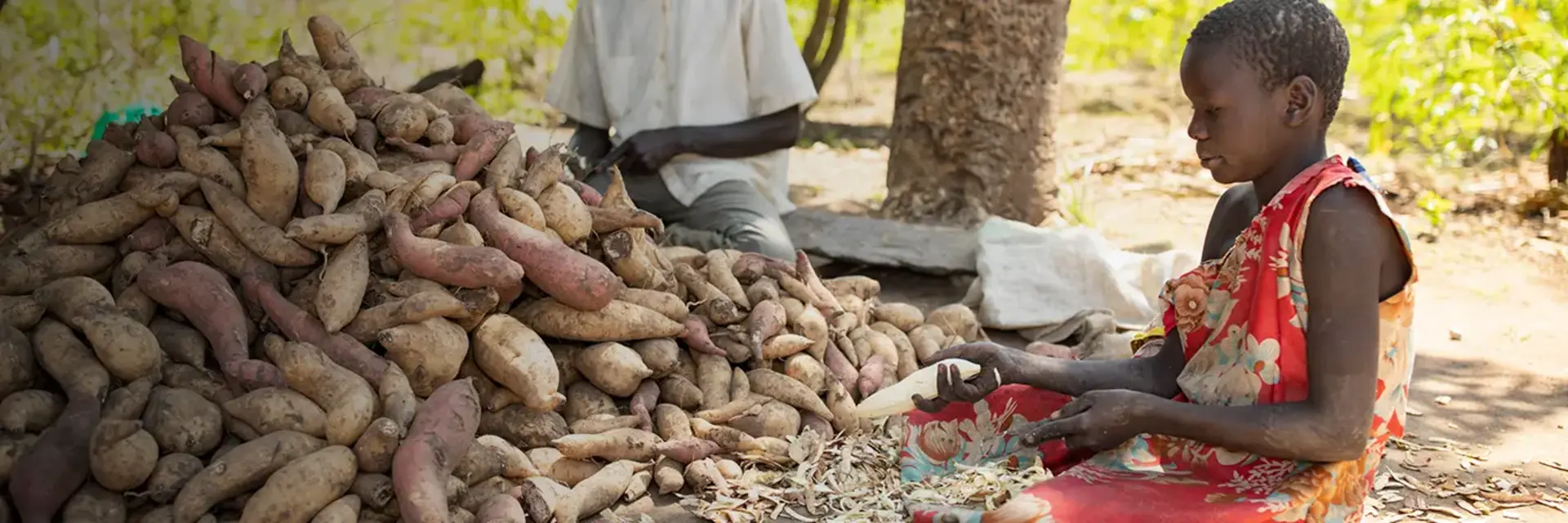
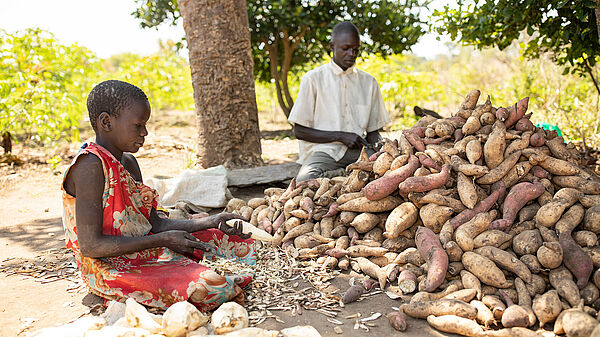
Due to severe drought in Kenya, fewer and fewer people have enough to eat. By promoting sweet potato cultivation, we have strengthened the resilience and livelihoods of 3,000 women, 12,000 children, and 2,200 adolescents from vulnerable farming households. Sustainable sweet potato cultivation has improved the nutritional status and economic situation of the target group while simultaneously protecting the environment and the ecosystem. Our efforts included providing guidance on modern farming methods, establishing a central facility for processing sweet potatoes into flour, and offering training on nutritional values and sales at local markets.
Moldova: Food Security for Moldovan Schoolchildren
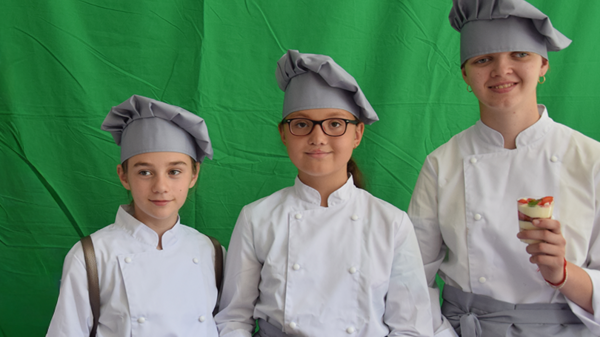
Moldova is a small agricultural country where farmers often struggle with market access issues and a lack of investment. At the same time, schoolchildren are particularly affected by poverty and the resulting poor nutrition. Our work aims to address these challenges by promoting sustainable agricultural practices and introducing the topic of healthy nutrition in schools.
Learn more

Frequently asked
What is ChildFund Deutschland and what does the organisation do?
ChildFund Deutschland is a child protection organisation whose aim is to bring about lasting improvements in the future prospects of children in need, their families and their wider communities. Through its work, it seeks to make a positive difference to the lives of these children and families and to bring about lasting improvements.
How can I be sure that my donation actually reaches its destination?
The efficient use of the donations entrusted to us is our top priority. To ensure that our aid is used in a highly targeted manner, we rely on close collaboration with local partner organizations in all the countries where we operate, so that our assistance meets the specific needs on the ground. Furthermore, all our support is guided by the principle of helping people help themselves. This ensures that the people in our projects benefit from long-term and lasting changes and, in the long run, no longer depend on aid but can live independently and self-determinedly. Our transparent and responsible handling of donations is also confirmed by the DZI Donation Seal, which we have been awarded continuously since 1995 by the German Central Institute for Social Issues.
How does ChildFund Deutschland work?
Our work is made possible by three sources of funding: sponsorships, other donations, and public funds. Our projects funded by sponsorships are designed for the long term. They are characterized by particularly close collaboration between our partner organizations in the respective project country and the local communities.
The donation-based and publicly funded projects have a shorter duration. Due to the limited timeframe, these projects require more intensive planning and support on our part.
In all projects, ChildFund plays two specific roles: First, raising funds so that the project work can be implemented at all. And second, bringing together and building bridges between those who provide money and expertise and those who lack these resources. The goal is to maximize mutual benefit from the collaboration and to advance our projects in the most effective way possible.
What kinds of projects does ChildFund Deutschland carry out?
Our projects, which are funded through sponsorships, are designed for the long term. They are characterized by particularly close collaboration between our partner organizations in the respective project country and the local communities.
The donation-based and publicly funded projects have a shorter duration. Due to the limited timeframe, these projects require more intensive planning and support on our part.
What regions and issues does ChildFund Deutschland focus on?
We operate in various countries across Asia, Africa, Latin America, and Eastern Europe. Our work focuses primarily on education, nutrition, livelihood support, and child protection, as well as humanitarian aid in emergency situations. Issues such as health and climate protection are also central to many of our projects.
How can I support ChildFund Deutschland?
There are many different ways to support our work. From a one-time donation to a regular donation as a “Future Donor” to becoming a sponsor, you are free to choose the form of support that best suits you. Long-term and particularly sustainable support can also take the form of a foundation or a bequest. We also offer a range of customized support options for businesses and schools.